6-min walk (≈450 m) – A smaller, family-focused look at Frida’s early world – Cost: From MX$250
Things to do near Frida Kahlo Museum
The Frida Kahlo Museum sits in Coyoacán, one of Mexico City’s most walkable and character-filled neighborhoods. Around Frida Kahlo Museum, and close to it on foot, you’ll find leafy plazas, historic churches, smaller museums, markets, and plenty of food stops within a 20-min walk. Because the area rewards slow exploring, it’s worth planning more than just Casa Azul so your museum visit turns into an easy half-day or full-day outing.
Top things to do near Frida Kahlo Museum

Museo Casa Kahlo (Red House)

Leon Trotsky House Museum
7-min walk (≈500 m) – Quiet rooms and political history linked to Frida’s circle – Cost: From MX$70

Jardín Centenario
8-min walk (≈600 m) – Coyoacán’s social heart with benches, cafés, and the coyote fountain – Cost: Free
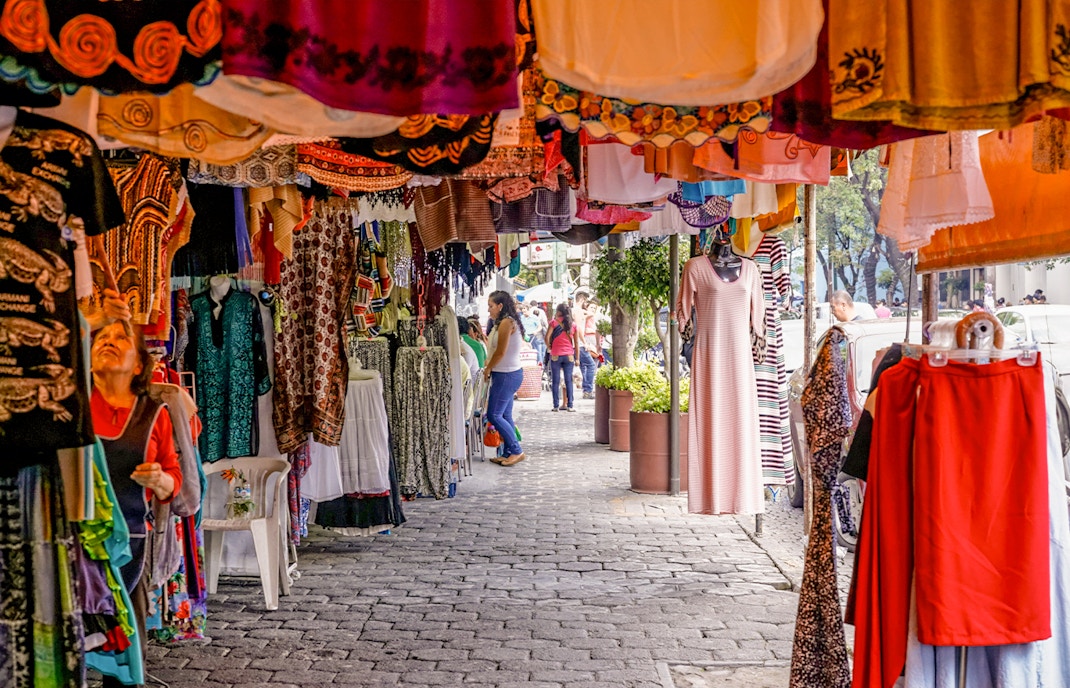
Mercado de Coyoacán
9-min walk (≈650 m) – Street-food stalls, sweets, tostadas, and neighborhood energy – Cost: Free

Plaza Hidalgo and San Juan Bautista
10-min walk (≈800 m) – Colonial arcades, church views, and easy people-watching – Cost: Free

Museo Nacional de Culturas Populares
11-min walk (≈850 m) – Rotating exhibits on crafts, food, and Mexican traditions – Cost: Free

Viveros de Coyoacán
17-min walk (≈1.4 km) – Shaded walking paths for a breather after museum crowds – Cost: Free

Anahuacalli Museum
short ride – Diego Rivera’s dramatic volcanic-stone museum of pre-Hispanic art – Cost: From MX$120
Coyoacán at a glance: expect cobblestone streets, low-rise colonial buildings, busy weekend plazas, and a slower pace than central Mexico City. The core around Casa Azul, Jardín Centenario, Plaza Hidalgo, and the market is compact enough for easy walking, though uneven paving can slow strollers, wheelchairs, and anyone with limited mobility.
| Nearby attraction | Distance from Frida Kahlo Museum | Typical visit duration | Type of activity | Family-friendly |
|---|---|---:|---|---|
| Museo Casa Kahlo (Red House) | 6-min walk (≈450 m) | 45–60 min | Museum | Yes |
| Leon Trotsky House Museum | 7-min walk (≈500 m) | 45–75 min | Historic house museum | Yes, for older kids |
| Jardín Centenario | 8-min walk (≈600 m) | 20–45 min | Plaza / relaxation | Yes |
| Mercado de Coyoacán | 9-min walk (≈650 m) | 30–60 min | Food market | Yes |
| Plaza Hidalgo and San Juan Bautista | 10-min walk (≈800 m) | 30–50 min | Landmark / public square | Yes |
| Viveros de Coyoacán | 17-min walk (≈1.4 km) | 45–90 min | Park / walking | Yes |
Landmarks near `Frida Kahlo Museum`

Jardín Centenario
Coyoacán’s best-known plaza feels like the neighborhood’s outdoor living room, with shade trees, benches, street musicians, and the famous Fuente de los Coyotes at its center. It’s the easiest place to reset after Casa Azul and watch local life unfold.
- Distance: 8-min walk (≈600 m)
- Cost: Free
- Tip: The fountain side facing the cafés is liveliest in late afternoon, while the church-facing edge is quieter for a short sit-down.
- CTA:
[Visit guide →]

Plaza Hidalgo
This broad civic square sits beside arcades, municipal buildings, and the San Juan Bautista complex, giving you one of the clearest views of Coyoacán’s colonial layout. It’s less theatrical than Jardín Centenario, but better for lingering and orienting yourself.
- Distance: 9-min walk (≈700 m)
- Cost: Free
- Tip: Walk the shaded portales first if the midday sun is strong; they’re the coolest route between the plaza and nearby cafés.
- CTA:
[Visit guide →]

Parroquia San Juan Bautista
One of the oldest religious landmarks in the area, this parish anchors Coyoacán’s historic center with a calm atrium, stone façade, and a welcome break from the crowds outside. It adds architectural depth to a Frida-focused neighborhood walk.
- Distance: 10-min walk (≈800 m)
- Cost: Free
- Tip: Enter quietly in the late morning for softer interior light and fewer tour groups crossing the atrium.
- CTA:
[Visit guide →]

Francisco Sosa Street
This tree-lined historic street stretches past old mansions, gates, and cultural buildings, showing a gentler, residential side of Coyoacán. It’s ideal if you want a walk that feels less touristy than the main squares but still close to Casa Azul.
- Distance: 14-min walk (≈1.1 km)
- Cost: Free
- Tip: Start from Plaza Hidalgo and walk outward; the street gets progressively quieter and more photogenic away from the central square.
- CTA:
[Visit guide →]

Parque Frida Kahlo
Smaller and calmer than the main plazas, this neighborhood park gives you a local pause point with trees, benches, and a less crowded atmosphere. It works well if central Coyoacán feels too busy after your museum slot.
- Distance: 15-min walk (≈1.2 km)
- Cost: Free
- Tip: Go here after lunch if you want shade and a low-key break before heading back toward the center.
- CTA:
[Visit guide →]
Museums near `Frida Kahlo Museum`

Museo Casa Kahlo (Red House)
This newer museum focuses on Frida’s family world rather than the better-known mythology of Casa Azul. Expect family artifacts, early influences, and a more intimate scale that works well if you want extra Frida context without another long, crowded visit.
- Distance: 6-min walk (≈450 m)
- Cost: From MX$250
- Tip: It’s easy to confuse this with Casa Azul, so double-check your booking name before you walk over.
- CTA:
[Book tickets →]

Leon Trotsky House Museum
A few blocks from Casa Azul, this preserved home tells the story of Trotsky’s final years in exile and his overlap with Frida and Diego’s political orbit. It’s compact, thoughtful, and a strong counterpoint to the emotional intensity of Casa Azul.
- Distance: 7-min walk (≈500 m)
- Cost: From MX$70
- Tip: Don’t rush the garden memorial area; it’s where the house feels least crowded and most reflective.
- CTA:
[Book entry →]

Museo Nacional de Culturas Populares
This modest museum is best for travelers who enjoy rotating exhibits on crafts, regional foodways, festivals, and contemporary folk culture. It’s manageable in under an hour and adds broader Mexican context beyond the Frida-and-Diego narrative.
- Distance: 11-min walk (≈850 m)
- Cost: Free
- Tip: Check the courtyard first; temporary installations and food-themed events often spill outdoors before you reach the galleries.
- CTA:
[Visit the exhibits →]

Museo Nacional de las Intervenciones
Set in a former convent in nearby Churubusco, this museum adds military and political history to a Coyoacán day. It’s a useful rainy-day backup if you want a more substantial museum after Casa Azul without heading back to central Mexico City.
- Distance: short metro ride
- Cost: From MX$95
- Tip: Pair it with an earlier Casa Azul slot; the history-heavy galleries feel better when you’re not rushing against late-afternoon closures.
- CTA:
[Discover masterpieces →]

Anahuacalli Museum
Diego Rivera designed this volcanic-stone building to house his pre-Hispanic collection, and it feels dramatically different from Casa Azul’s domestic intimacy. If you want the Frida visit to expand into a fuller Diego-and-Mexican-identity day, this is the most natural add-on.
- Distance: short ride
- Cost: From MX$120
- Tip: If you book a Frida-and-Anahuacalli combo, visit Casa Azul first so Rivera’s museum reads as a wider cultural afterword.
- CTA:
[Book tickets →]
Eat & drink

El Jarocho
Historic neighborhood coffee bar with mostly standing-room service and a fast local rhythm; it’s a classic pre- or post-museum caffeine stop rather than a place to linger. You come here for a Coyoacán ritual, not a polished café scene.
- Distance: 6-min walk (≈450 m)
- Cost: From MX$45
- Highlight: Order a strong espresso or café de olla, then drink it outside where regulars cluster along the sidewalk.
- CTA:
[Visit guide →]

Café Avellaneda
Specialty coffee café with a tiny bar, limited seating, and a serious brewing approach that draws both locals and coffee-focused travelers. It’s best if you want a quieter, more curated stop than the busier central plazas around the museum core.
- Distance: 7-min walk (≈500 m)
- Cost: From MX$70
- Highlight: Their pour-over coffee is the reason to come; ask what beans they’re featuring that day.
- CTA:
[Visit guide →]

Mercado de Coyoacán tostada stalls
Casual market dining with shared tables and fast service, ideal if you want flavor and flexibility instead of a long sit-down meal. It’s one of the easiest nearby stops for sampling classic Coyoacán food between museums, plazas, and shopping.
- Distance: 9-min walk (≈650 m)
- Cost: From MX$35 per item
- Highlight: The crispy tostadas topped with tinga, pata, or ceviche-style fillings are the market’s signature order.
- CTA:
[Visit guide →]

Corazón de Maguey
Mezcal-focused Mexican restaurant with terrace seating facing Jardín Centenario, which makes it a strong people-watching stop after the museum. The menu suits a longer lunch or early evening drink if you want atmosphere without leaving the historic core.
- Distance: 9-min walk (≈700 m)
- Cost: From MX$280 per person
- Highlight: Start with a mezcal tasting flight and pair it with tacos or seasonal guacamole for a classic Coyoacán pause.
- CTA:
[Book a table →]

Los Danzantes Coyoacán
Contemporary Mexican restaurant with a polished courtyard setting, smart service, and a calmer mood than the square outside. It works best for a slower lunch or dinner after a morning museum slot, especially if you want a more refined meal.
- Distance: 10-min walk (≈750 m)
- Cost: From MX$450 per person
- Highlight: Try the duck carnitas or a mole-based main if you want something more substantial than the plaza snack circuit.
- CTA:
[Book a table →]
Budget friendly things to do near Frida Kahlo Museum

Jardín Centenario
This busy square gives you benches, shade, street musicians, and a strong Coyoacán atmosphere without costing anything. It’s one of the best free add-ons to Casa Azul because you can drop in for 15 minutes or stay longer with coffee and people-watching.
- Distance: 8-min walk (≈600 m)
- Cost: Free
- Budget tip: Go in the late afternoon, when the square feels lively enough for atmosphere but not as intense as the midday museum rush.
- CTA:
[Visit guide →]

Plaza Hidalgo
Wider and slightly calmer than Jardín Centenario, this square is good for a free architecture-and-ambiance stop between the market and the church. It helps balance a museum-heavy plan with open-air time and easy shade under the portales.
- Distance: 9-min walk (≈700 m)
- Cost: Free
- Budget tip: Bring a takeaway coffee rather than buying plaza-side table service if you only want a quick rest.
- CTA:
[Visit guide →]

Parroquia San Juan Bautista
The church and atrium offer a free historic stop with a quieter mood than the surrounding streets. It’s especially useful if you want something meaningful to do when Casa Azul feels crowded or you need a short break from the market noise.
- Distance: 10-min walk (≈800 m)
- Cost: Free
- Budget tip: Visit between meal times, when the atrium feels calmer and you can appreciate the stonework without crowd spillover from the square.
- CTA:
[Visit guide →]

Museo Nacional de Culturas Populares
This small museum is one of the smartest free cultural stops near Casa Azul, especially if you want more context on regional traditions, food, and crafts without paying for another major-ticket attraction in the neighborhood.
- Distance: 11-min walk (≈850 m)
- Cost: Free
- Budget tip: Check the courtyard signage first so you can decide quickly whether the current temporary exhibition fits your interests.
- CTA:
[Visit guide →]

Viveros de Coyoacán
A local favorite for walking, jogging, and clearing your head, this large green space is the best free option if you want nature after plaza crowds. It works especially well after lunch or if your Casa Azul entry slot is later.
- Distance: 17-min walk (≈1.4 km)
- Cost: Free
- Budget tip: Pick up a simple market snack before you go; there are more walking paths here than food options once you’re inside.
- CTA:
[Visit guide →]
Gardens and parks near Frida Kahlo Museum
Jardín Centenario
Though technically a plaza, this tree-lined central space functions like Coyoacán’s communal park, with shade, benches, and room to pause between museums and markets. It’s the easiest green stop to fold into any route starting or ending at Casa Azul.
- Distance: 8-min walk (≈600 m)
- Cost: Free
- Highlight: Sit on the fountain side if you want the liveliest atmosphere, or use the church-facing edge for a quieter breather.
- CTA:
[Visit guide →]
Plaza Hidalgo gardens
The planted edges and shaded stretches around Plaza Hidalgo make this a gentler counterpart to busier Jardín Centenario. It suits slower strolling, short rests, and a more open sense of space if the lanes around Casa Azul feel too compact.
- Distance: 9-min walk (≈700 m)
- Cost: Free
- Highlight: The covered arcades nearby offer a cooler loop if the sun is strong and you still want to stay outdoors.
- CTA:
[Visit guide →]
Parque Frida Kahlo
A neighborhood green space rather than a major sightseeing stop, this park is useful precisely because it feels local. It’s a good choice for families, older visitors, or anyone who wants a lower-key pause away from the more photographed central squares.
- Distance: 15-min walk (≈1.2 km)
- Cost: Free
- Highlight: Go here for a quieter bench break after lunch before returning toward the center for evening food or shopping.
- CTA:
[Visit guide →]
Viveros de Coyoacán
This large, wooded park offers broad paths, mature trees, and a noticeably cooler, calmer atmosphere than central Coyoacán. It’s the best nearby green escape if you want a proper walk rather than a short sit-down between museum and market stops.
- Distance: 17-min walk (≈1.4 km)
- Cost: Free
- Highlight: The outer paths are best if you want an easy loop without committing to a long, deeper walk inside.
- CTA:
[Visit guide →]
Public squares, streets, and more

Calle Londres
The street outside Casa Azul is more than a museum approach; it’s where you see the shift from residential Coyoacán to visitor-heavy lanes. Looking closely here helps you understand how embedded Frida’s house still is within an ordinary neighborhood grid.
- Distance: 1-min walk (≈100 m)
- Cost: Free
- Highlight: Arrive a little early and walk one block past the museum entrance to catch quieter blue-wall views without the ticket queue in frame.
- CTA:
[Visit guide →]
Jardín Centenario
Part plaza, part meeting point, this is where Coyoacán’s social energy becomes most visible, with musicians, café traffic, families, and photographers all sharing the same open space. It’s the most natural place to continue after Casa Azul on foot.
- Distance: 8-min walk (≈600 m)
- Cost: Free
- Highlight: The Fuente de los Coyotes is the square’s anchor photo, but the best street-life shots usually come from the café-lined edges.
- CTA:
[Visit guide →]
Plaza Hidalgo portales
These arcaded walkways frame one side of the square and give the area a more civic, colonial feel than the more playful Jardín Centenario. They’re useful both as shelter from the sun and as an atmospheric route between landmarks.
- Distance: 9-min walk (≈700 m)
- Cost: Free
- Highlight: Stand under the arches and look back toward the square for layered views of trees, vendors, and church stonework.
- CTA:
[Visit guide →]
Francisco Sosa Street
Elegant, leafy, and lined with old homes behind walls and gates, this street feels quieter and more residential than the main Coyoacán tourist core. It’s a strong choice if you want a longer walk with architectural character after the museum.
- Distance: 14-min walk (≈1.1 km)
- Cost: Free
- Highlight: The afternoon light catches façades and greenery especially well here, making it better for photos than the more crowded central square.
- CTA:
[Visit guide →]

Avenida Tres Cruces
This central street links the square, cafés, and small shops with a walkable, lived-in energy that feels more neighborhood than monument. It’s useful for browsing, snacking, and absorbing the everyday rhythm of Coyoacán without committing to a specific attraction.
- Distance: 9-min walk (≈650 m)
- Cost: Free
- Highlight: Walk it between 11am and 1pm for the fullest mix of café movement, local errands, and open storefronts.
- CTA:
[Visit guide →]
Adventure activities/Outdoor activities near Frida Kahlo Museum
Not applicable.
Nightlife/Evening Activities
Jardín Centenario at dusk
As daylight softens, the plaza feels less like a sightseeing stop and more like a neighborhood hangout, with musicians, café lights, and a slower flow of people. It’s the easiest free evening extension to a late Casa Azul visit.
- Distance: 8-min walk (≈600 m)
- Cost: Free
- Highlight: Go 20–30 minutes before sunset if you want the square at its liveliest without waiting for full nighttime crowds.
- CTA:
[Visit guide →]
Plaza Hidalgo evening stroll
The broader square and arcades feel calmer after dark than the tighter lanes around Casa Azul, which makes this a good option for a slow post-dinner walk. It’s especially appealing if you want atmosphere without committing to a bar.
- Distance: 9-min walk (≈700 m)
- Cost: Free
- Highlight: The portales stay pleasantly active into the evening, and they’re one of the better-lit walking stretches in central Coyoacán.
- CTA:
[See options →]
Corazón de Maguey
This terrace-facing mezcal restaurant turns the Jardín Centenario edge into an easy early-evening stop for drinks and snacks. It suits visitors who want a social, recognizable Coyoacán address rather than hunting for a hidden bar down residential streets.
- Distance: 9-min walk (≈700 m)
- Cost: From MX$280 per person
- Highlight: Reserve or arrive before 7pm if you want a terrace table facing the square as the lights come on.
- CTA:
[Book now →]
Los Danzantes Coyoacán
For a more polished evening, this courtyard restaurant offers a quieter, more deliberate pace than the square outside. It’s a smart pick if your Frida Kahlo Museum visit ended emotionally and you want dinner somewhere calm rather than high-energy.
- Distance: 10-min walk (≈750 m)
- Cost: From MX$450 per person
- Highlight: Dinner reservations help, especially on Fridays and Saturdays when central Coyoacán fills up quickly after 7pm.
- CTA:
[Book now →]
Family-friendly experiences
Jardín Centenario
Open space, fountain views, benches, and frequent street activity make this the simplest family stop near Casa Azul. It gives children room to reset after the museum while adults still get a strong sense of Coyoacán’s central atmosphere.
- Distance: 8-min walk (≈600 m)
- Cost: Free
- Tip: Visit after the museum rather than before; it’s a better reward stop than a place to keep children waiting before timed entry.
- CTA:
[Visit guide →]

Mercado de Coyoacán
This lively market works well for families because you can eat quickly, share snacks, and keep the visit flexible. It’s especially useful with children who may not want a formal restaurant after the quieter pace inside Casa Azul.
- Distance: 9-min walk (≈650 m)
- Cost: From MX$35
- Tip: Head straight to the food section first so younger children don’t get restless in the busier craft aisles.
- CTA:
[Visit guide →]
Viveros de Coyoacán
If children need to move after museum rooms and queues, this large park is the best nearby release valve. Shaded paths and a more local feel make it easier for families to stretch a Coyoacán outing into a calmer half-day.
- Distance: 17-min walk (≈1.4 km)
- Cost: Free
- Tip: Go earlier in the day if you’re using a stroller; late afternoons can feel busier on the narrower approach sidewalks.
- CTA:
[Visit guide →]

Museo Casa Kahlo (Red House)
Compared with Casa Azul, this smaller museum can feel more manageable for families who want more Frida context without another long, packed visit. The family-story angle also lands better for older children than a conventional art-heavy museum would.
- Distance: 6-min walk (≈450 m)
- Cost: From MX$250
- Tip: Make sure everyone understands this is the Red House, not Casa Azul, so you avoid ticket confusion at the entrance.
- CTA:
[Book tickets →]
Seasonal events
Not applicable.
Shopping

Mercado de Coyoacán
Part food market, part everyday shopping hub, this is the best place for edible souvenirs, sweets, and casual browsing that still feels rooted in local life. It’s more functional and lively than polished, which is exactly why it’s worth visiting.
- Distance: 9-min walk (≈650 m)
- Cost: Browse free; items MX$15–80 per unit
- Highlight: Shop weekday late mornings for easier browsing; the food aisles get tighter and noisier once lunch crowds arrive.
- CTA:
[Visit guide →]

Mercado de Artesanías de Coyoacán
If you want crafts, textiles, ceramics, and giftable Mexico City souvenirs, this is the easiest concentrated stop near Casa Azul. It’s tourist-friendly, but still practical for finding something specific without covering a huge shopping district.
- Distance: 10-min walk (≈800 m)
- Cost: Browse free; items MX$40–400 per piece
- Highlight: Compare a few stalls before buying embroidered items; styles repeat, but pricing can vary noticeably within the same aisle.
- CTA:
[Visit guide →]
Francisco Sosa galleries and design shops
This area leans less market-style and more boutique, with small galleries, design-led stores, and a quieter browsing atmosphere. It suits travelers who want a more relaxed retail stroll after the square and market crowds.
- Distance: 14-min walk (≈1.1 km)
- Cost: Browse free; items MX$150–1,500 per piece
- Highlight: Go after 11am, when smaller independent shops are more likely to be fully open.
- CTA:
[Visit guide →]
Plaza Hidalgo weekend artisan stalls
On busier weekends, the edges of the square often fill with small craft and souvenir sellers, making it an easy browse while you’re already sightseeing. It’s better for casual pickup shopping than for targeted serious buying.
- Distance: 9-min walk (≈700 m)
- Cost: Browse free; items MX$50–300 per item
- Highlight: Carry small cash; lower-cost handmade items and prints are easier to buy quickly when vendors don’t have large change.
- CTA:
[Visit guide →]
How to plan your day near Frida Kahlo Museum
Path: Frida Kahlo Museum → Jardín Centenario → Plaza Hidalgo coffee stop
Steps & timing:
- Frida Kahlo Museum – 60 min: Focus on the courtyard, bedroom, studio, and personal artifacts rather than trying to read every label in a rush.
- Walk to Jardín Centenario – 10 min: Use the route through the neighborhood streets to ease out of the museum queue atmosphere.
- Jardín Centenario – 20 min: Pause by the Fuente de los Coyotes and take in the square’s everyday rhythm.
- Coffee stop at El Jarocho or Café Avellaneda – 25 min: Keep this short and flexible so the plan stays realistic.
Alternative: If the museum crowds feel intense, skip the plaza linger and walk straight to Leon Trotsky House Museum [Visit guide →] for a calmer, more reflective follow-up nearby.
Path: Frida Kahlo Museum → Leon Trotsky House → Mercado de Coyoacán → Plaza Hidalgo
Steps & timing:
- Frida Kahlo Museum – 75 min: Give yourself enough time for the studio, kitchen, and outdoor spaces without treating it like a quick photo stop.
- Leon Trotsky House Museum – 50 min: Add historical depth and a quieter setting only a few blocks away.
- Mercado de Coyoacán lunch – 45 min: Eat market tostadas or a simple snack-based lunch rather than losing time to a formal restaurant.
- Plaza Hidalgo and San Juan Bautista – 35 min: End with architecture, arcades, and a slower walk through the civic heart of Coyoacán.
Alternative: If Leon Trotsky House doesn’t appeal, swap it for Museo Casa Kahlo Entry Ticket [Book tickets →] and keep the rest of the route the same.
Path: Frida Kahlo Museum → Coyoacán center → lunch → Viveros → Anahuacalli Museum or Xochimilco
Steps & timing:
- Frida Kahlo Museum – 75 min: Start early so the house feels less compressed and you’re not spending your best energy in a long queue.
- Jardín Centenario, Plaza Hidalgo, and San Juan Bautista – 60 min: Walk the central landmarks as a single loop rather than stopping and restarting.
- Lunch in central Coyoacán – 60 min: Choose the market for speed or Los Danzantes for a slower sit-down meal.
- Viveros de Coyoacán – 60 min: Use the park as your quiet reset before another museum or ride-based activity.
- Anahuacalli Museum or Xochimilco tour – 2 to 3 hrs: Finish with a broader Diego Rivera context or a canal ride if you want a fuller south-city day.
Alternative: If you’d rather not coordinate transport, book Full-Day Tour: Frida Kahlo Museum Tickets with Coyoacán Stroll & Xochimilco Boat Ride [Book now →] and let the timing run for you.
Path: Late Casa Azul slot → Jardín Centenario → dinner → Plaza Hidalgo stroll
Steps & timing:
- Frida Kahlo Museum – 60 min: A later timed entry can feel slightly calmer once the midday rush has passed.
- Jardín Centenario at dusk – 25 min: Watch the square shift from daytime sightseeing to local evening hangout mode.
- Dinner at Corazón de Maguey or Los Danzantes – 75 min: Keep dinner close to the square so you don’t lose time to rides within the neighborhood.
- Plaza Hidalgo evening walk – 20 min: Finish with a low-effort stroll under the arcades before calling a ride-share back.
Alternative: If you want a longer, managed evening extension, choose a guided Frida-and-Xochimilco product instead of building your own dinner plan from scratch.
Path: Frida Kahlo Museum → Jardín Centenario → Mercado de Coyoacán → Viveros de Coyoacán
Steps & timing:
- Frida Kahlo Museum – 45 min: Keep the museum portion shorter with children and focus on the colorful rooms, garden, and standout personal objects.
- Jardín Centenario – 25 min: Give kids a visual reset in the open square before any meal stop.
- Mercado de Coyoacán snack or lunch – 40 min: Fast food service and shareable tostadas work better than a long restaurant meal.
- Viveros de Coyoacán – 60 min: Finish with paths and greenery so the day ends with movement rather than more standing in lines.
Alternative: If another museum still sounds feasible, swap Viveros for Museo Casa Kahlo Entry Ticket [Book tickets →], which is easier to pair with the center on foot.
Path: Frida Kahlo Museum → El Jarocho → Mercado de Coyoacán → Corazón de Maguey
Steps & timing:
- Frida Kahlo Museum – 60 min: Start with Casa Azul before food stops get busy and before the market hits its lunch peak.
- El Jarocho coffee – 20 min: Take a quick neighborhood coffee break rather than a long café sit-down.
- Mercado de Coyoacán tasting loop – 50 min: Sample tostadas, sweets, and simple snacks instead of ordering one heavy meal immediately.
- Walk through Jardín Centenario and Plaza Hidalgo – 30 min: Use the squares as a digestion-and-browsing stretch.
- Corazón de Maguey early dinner or mezcal stop – 60 min: End with a terrace table and something slower-paced.
Alternative: If you prefer a fully arranged day, pick Frida Kahlo Museum Guided Tour [Book tickets →], which includes a complimentary beverage at a local café.
Path: Frida Kahlo Museum → central Coyoacán plazas → nearby meal stop
Steps & timing:
- Frida Kahlo Museum – 60 min: Prioritize the accessible garden and ground-floor galleries; ramps are available in key areas, but the site is only partially wheelchair accessible.
- Short roll or walk to Jardín Centenario – 15 min: Keep to the smoother edges of the route, as some sidewalks and crossings in Coyoacán are uneven.
- Plaza Hidalgo and portales – 25 min: The arcaded edges offer the easiest low-exertion movement and shaded rest points.
- Accessible meal break nearby – 45 min: Choose a restaurant close to the square so you avoid unnecessary street transfers.
Alternative: Skip Museo Casa Kahlo and Casa Estudio on this itinerary, as the Red House and Studio House are not wheelchair accessible based on current visitor information.
Path: Frida Kahlo Museum → Francisco Sosa stroll → Jardín Centenario → dinner
Steps & timing:
- Frida Kahlo Museum – 60 min: Casa Azul’s intimate rooms make a strong emotional starting point if you both enjoy art, biography, and beautifully kept spaces.
- Francisco Sosa Street – 30 min: Take the quieter, leafy route away from the busiest square streets for a more relaxed post-museum walk.
- Jardín Centenario at golden hour – 25 min: Rejoin the central square when the light softens and the cafés start to fill.
- Dinner at Los Danzantes – 90 min: End with a calm courtyard meal rather than a louder, faster market stop.
Alternative: If you’d rather make it a bigger shared day, upgrade to From Mexico City: Frida Kahlo Museum and Xochimilco Premium Tour [Book now →] for a private trajinera ride and guided neighborhood stroll.
Visitor information
The museum sits within a practical 20-min walking radius of central Coyoacán sights like Jardín Centenario, Plaza Hidalgo, Mercado de Coyoacán, and Leon Trotsky House. For arriving from elsewhere in Mexico City, the closest useful metro options are Line 3 (Coyoacán) and Line 3 (Viveros/Derechos Humanos), but both still require a taxi, bus, or ride-share to the museum area. Ride-share is the simplest final stretch. Deal-breaker: Coyoacán’s cobblestones, curb cuts, and uneven sidewalks can slow strollers and wheelchairs. If your ticket is timed, build in extra buffer.
Frida Kahlo Museum is closed on Mondays, and timed entry is strictly enforced, so late arrival can ruin the visit. Allow 60–90 minutes inside Casa Azul. Leon Trotsky House usually needs 45–75 minutes, while Viveros de Coyoacán works well as a 45–90 minute park break. The best overall window for the area is early morning through late morning, especially Tuesday to Thursday, when the neighborhood feels easier to move through. Deal-breaker: weekends, and especially Sunday, bring heavier plaza traffic and longer waits around the museum core.
Restrooms are easiest to find inside museums and full-service restaurants; don’t assume plentiful public facilities in the plazas. Food is straightforward: Mercado de Coyoacán is the quickest low-friction lunch stop, while El Jarocho and Café Avellaneda work for coffee breaks close to the center. Seating is easiest in Jardín Centenario, Plaza Hidalgo, and Viveros de Coyoacán. Shade is decent in the plazas and strong in Viveros, but museum approach lines can feel exposed. Browse our Mexico City guide for more cafés near Frida Kahlo Museum →
Frida Kahlo Museum is partially wheelchair accessible, with ramps at key points and accessible garden and ground-floor areas, but it is not a fully step-free experience. Wheelchairs are not available on-site. Museo Casa Kahlo (Red House) is not wheelchair accessible, and Frida Kahlo & Diego Rivera Studio House is not wheelchair or stroller accessible. Coyoacán’s public squares are manageable but uneven, with cobblestones and imperfect curb cuts. Deal-breaker: a metro-to-walk approach can be tiring for travelers with limited mobility; use ride-share directly to the museum entrance when timing matters most.
Book Casa Azul first, then build the day around it: Frida Kahlo Museum uses strict timed entry, and late arrivals may not get in. Lock your museum slot first, then add lunch, plazas, or a second museum afterward.
Weekdays are noticeably easier than weekends: Tuesday to Thursday mornings usually feel smoother both inside Casa Azul and around central Coyoacán. Sunday is the most congested day, with heavier local foot traffic and slower-moving public spaces.
Coyoacán is walkable, but not perfectly smooth: The neighborhood rewards walking, yet cobblestones, narrower sidewalks, and uneven crossings can slow you down. Wear stable shoes and leave more time than the map suggests if you’re using a stroller or mobility aid.
Carry a little cash for markets and smaller purchases: Central Coyoacán has plenty of places that take cards, but market stalls and low-cost snack vendors are still easier to use with smaller bills and coins.
If you’re arriving by metro, finish by ride-share or taxi: The nearest metro stations are not right beside the museum, and the final walk can eat into your timed slot. This matters most on hot days or busy weekends.
Don’t expect a conventional art museum experience: Casa Azul is strongest as a preserved home filled with personal artifacts, clothing, and atmosphere. If you want more Diego Rivera and pre-Hispanic material, add Anahuacalli rather than expecting major paintings here.
FAQs about things to do near Frida Kahlo Museum
Yes, central Coyoacán is generally one of Mexico City’s more comfortable evening neighborhoods, especially around Jardín Centenario and Plaza Hidalgo. Stay on active streets, use ride-share for longer returns, and keep normal city awareness after dinner.
Yes, most nearby sights cluster closely enough for a half-day walk, but the experience is slower than it looks on a map. Cobblestones, crowded squares, and uneven sidewalks mean you should leave a little more time between stops.
El Jarocho for coffee, Mercado de Coyoacán for tostadas, Jardín Centenario for people-watching, and Francisco Sosa for a quieter architectural walk are the most reliable local-style additions to a Casa Azul visit.
Viveros de Coyoacán is the best option if you want a true green-space break, but for a shorter stop, the quieter edges of Plaza Hidalgo work well with takeaway coffee or simple market snacks.
The best exterior shots usually come from just beyond the main entrance queue on Calle Londres, where you can frame the blue walls without heavy foot traffic. Inside, the courtyard and garden are the most visually rewarding areas.
You can walk Jardín Centenario, Plaza Hidalgo, San Juan Bautista’s atrium, Francisco Sosa Street, and Viveros de Coyoacán without paying anything. They’re strong options if Casa Azul is sold out or you want to keep the day inexpensive.
For coffee, go to El Jarocho or Café Avellaneda. For a fast, flavorful meal, Mercado de Coyoacán is the easiest choice. For a longer sit-down lunch or dinner, Corazón de Maguey and Los Danzantes are dependable.
You can still have a worthwhile Coyoacán day by visiting Leon Trotsky House, Mercado de Coyoacán, Jardín Centenario, Plaza Hidalgo, and Viveros. Museo Casa Kahlo and Anahuacalli are also useful alternatives for Frida- and Diego-related context.
Line 3 stations Coyoacán and Viveros/Derechos Humanos are the most practical metro entry points, but neither drops you at the museum door. For timed entry, it’s smarter to finish the trip by ride-share or taxi.
Restaurants around Jardín Centenario usually outlast the museums and markets, so dinner is easy after a daytime Casa Azul visit. Museums close earlier, while plazas remain active into the evening, especially on weekends.
More Reads
Information unavailable.
Information unavailable
Information unavailable.
