
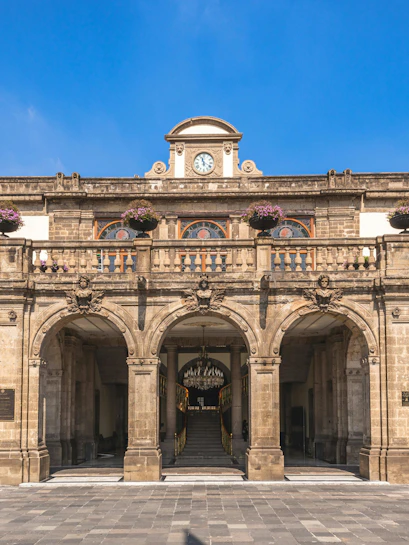

- Meeting time: The tour begins at 6pm on November 1. Please arrive 10–15 minutes early to check in and meet your guide.
- Duration: Expect the full experience to last around eight hours, continuing into the night as the celebrations unfold across Mexico City.
Día de los Muertos (Day of the Dead) is one of Mexico’s most iconic and heartfelt traditions, a celebration of life that honours those who have passed rather than mourning their loss. It’s a time when families gather to remember, decorate altars with offerings, and fill the streets with color, music, and joy.
- Dates: Celebrated on 1st November
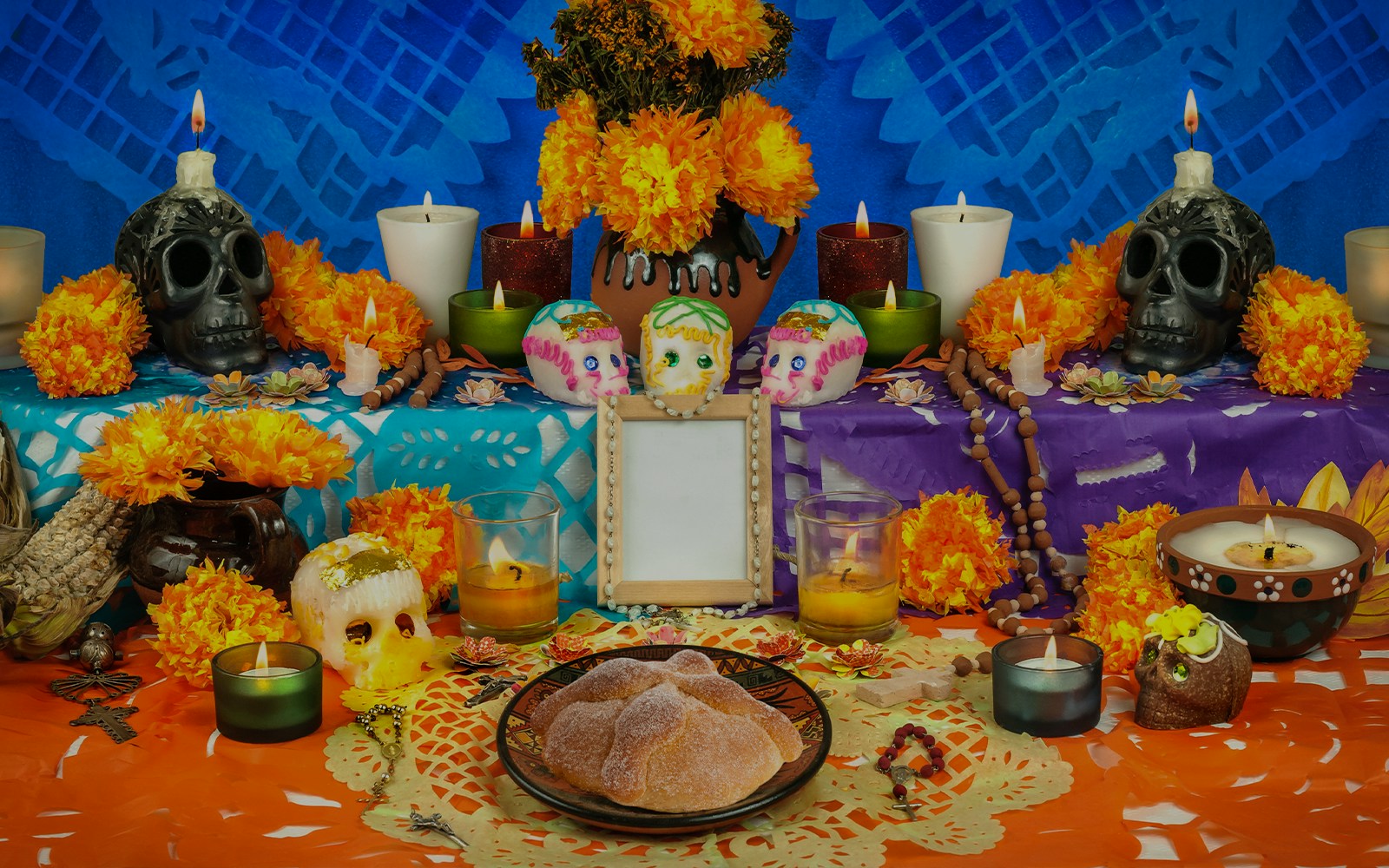
- Symbols: Marigolds, ofrendas (altars), sugar skulls, and pan de muerto (sweet bread).
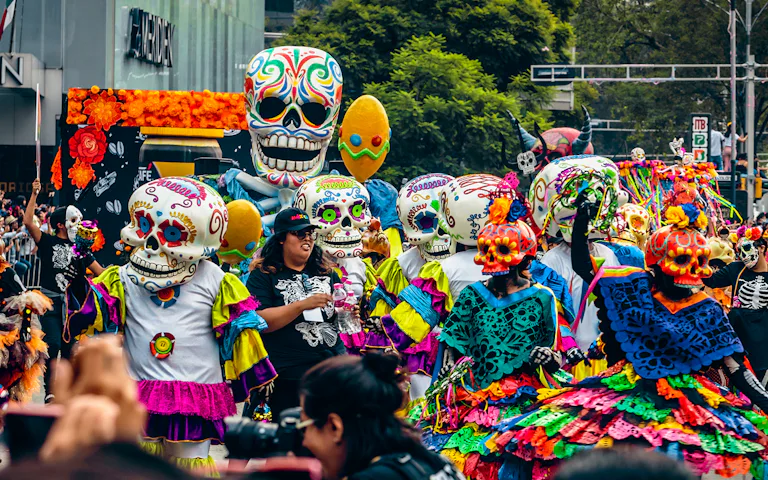
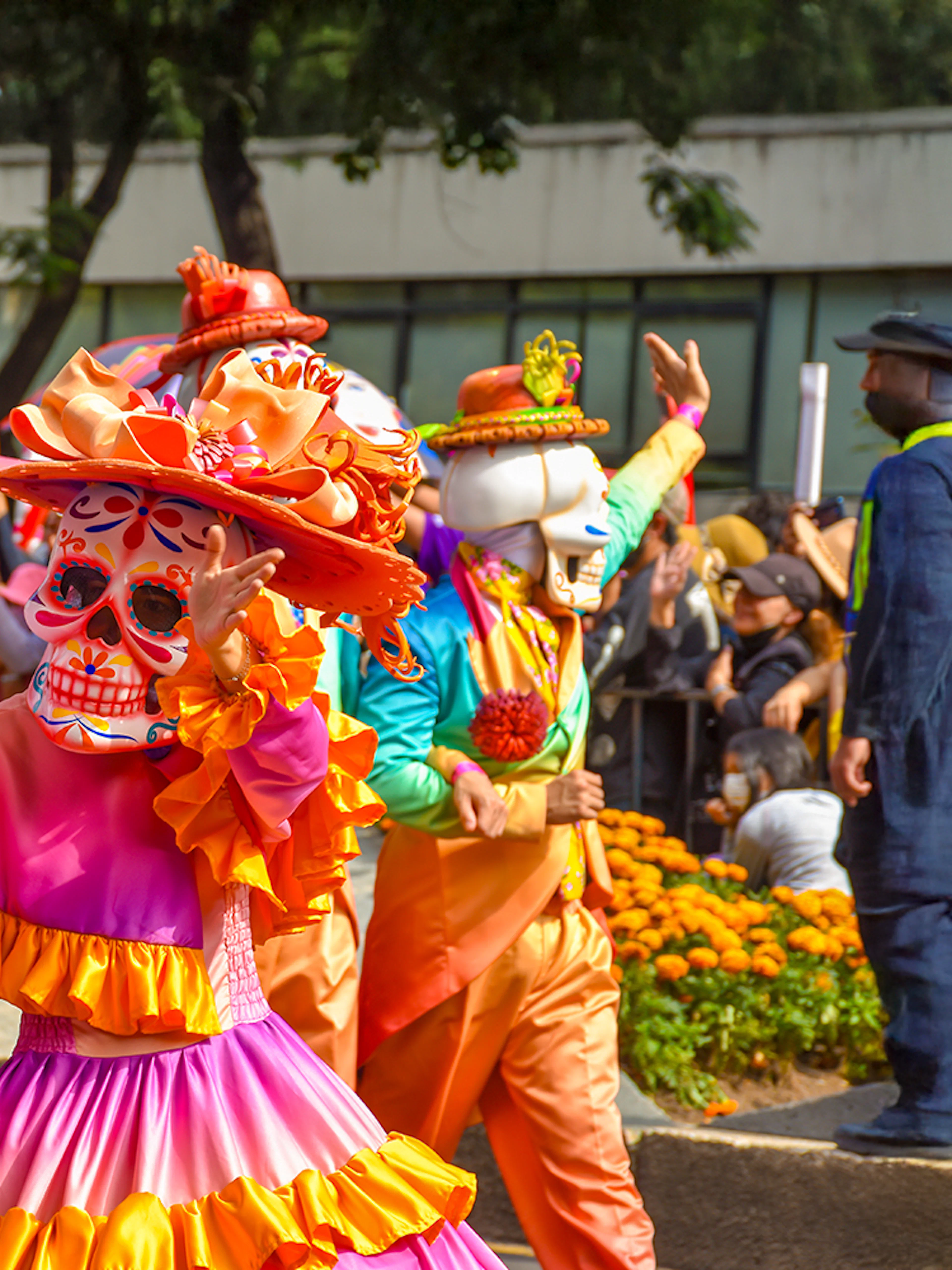
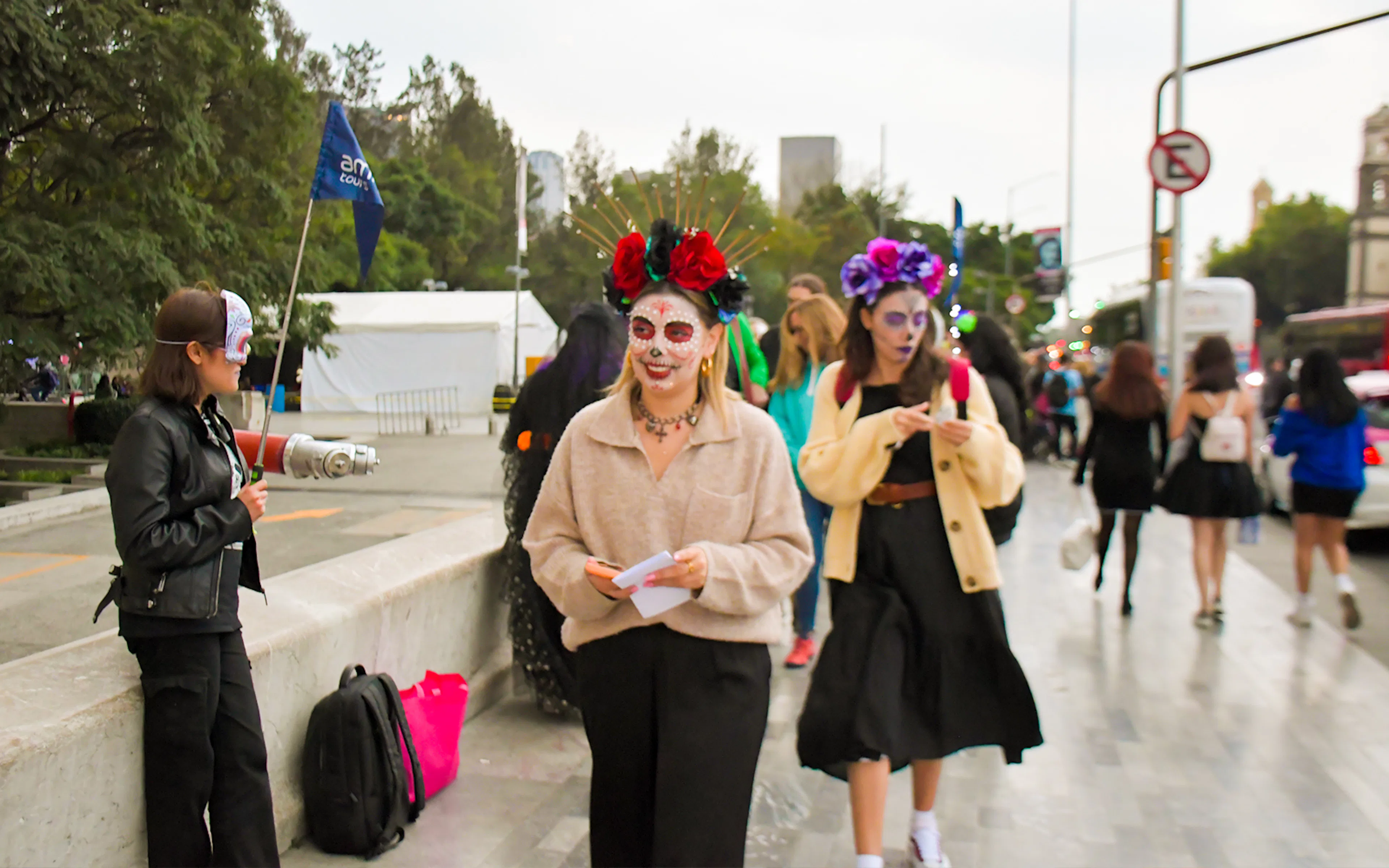
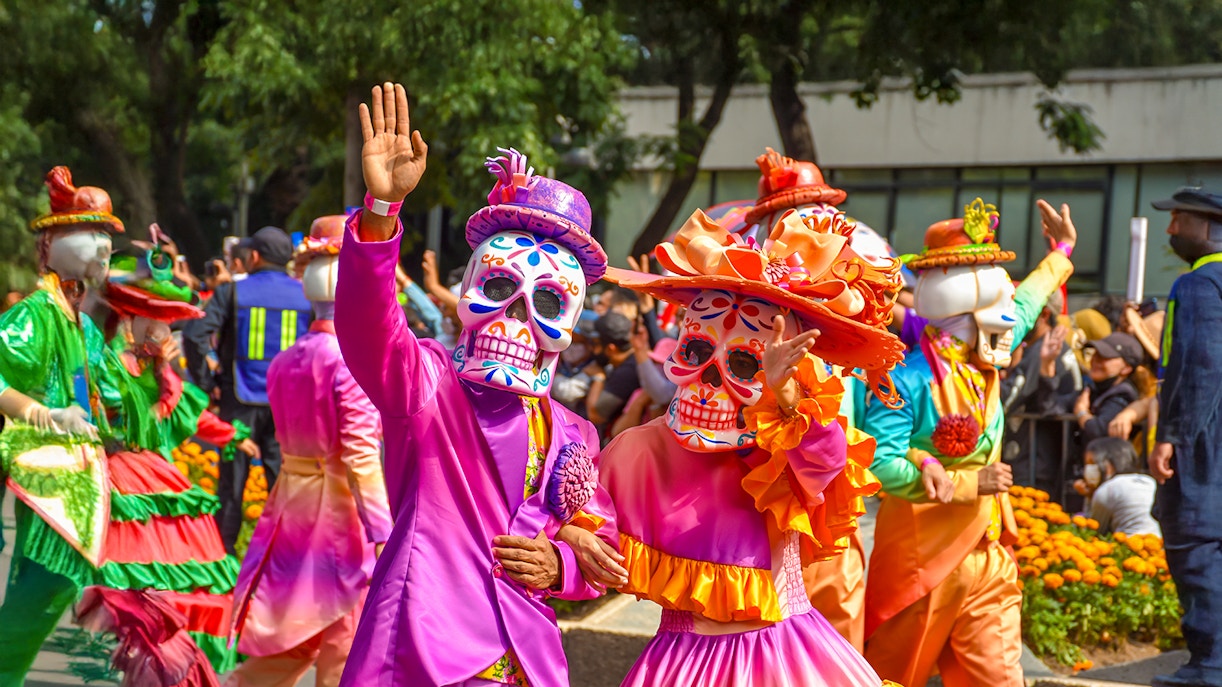
- Atmosphere: Joyful and reflective. Expect music, dancing, colorful costumes, and La Catrina-inspired face painting.
- Best photo moments: Candlelit vigils, glowing altars bursting with marigolds, and vibrant processions through the heart of Mexico City.
- Most popular experience: Mexico City Day of the Dead Guided Tour with Round-Trip Transfers
What will your Day of the Dead tour look like?
1/5
Meet your guide in the heart of Mexico City
Begin your evening in the Centro Histórico, meeting your bilingual guide around 6pm. The streets are already alive with color, music, and marigold garlands as locals prepare to honor their loved ones, setting the perfect mood for what’s to come.
Step inside a candle-lit cemetery
Enter a Dia de los Muertos cemetery (Pantheon) transformed for the day, where every grave tells a story through its glowing ofrenda. You’ll see altars adorned with Day of the Dead sugar skulls, candles, pan de muerto, and photographs of ancestors, as families gather to sing, share food, and celebrate, a night where remembrance bridges the worlds of the living and the dead.
Discover the meaning behind the traditions
Listen as your guide unravels the origins and meanings behind the Day of the Dead decorations, explaining how pre-Hispanic Aztec beliefs about the afterlife merged with Catholic All Saints’ traditions to create today’s Day of the Dead.
Cruise the canals of Xochimilco
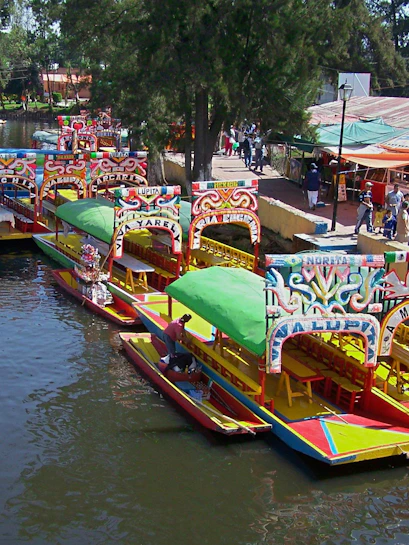
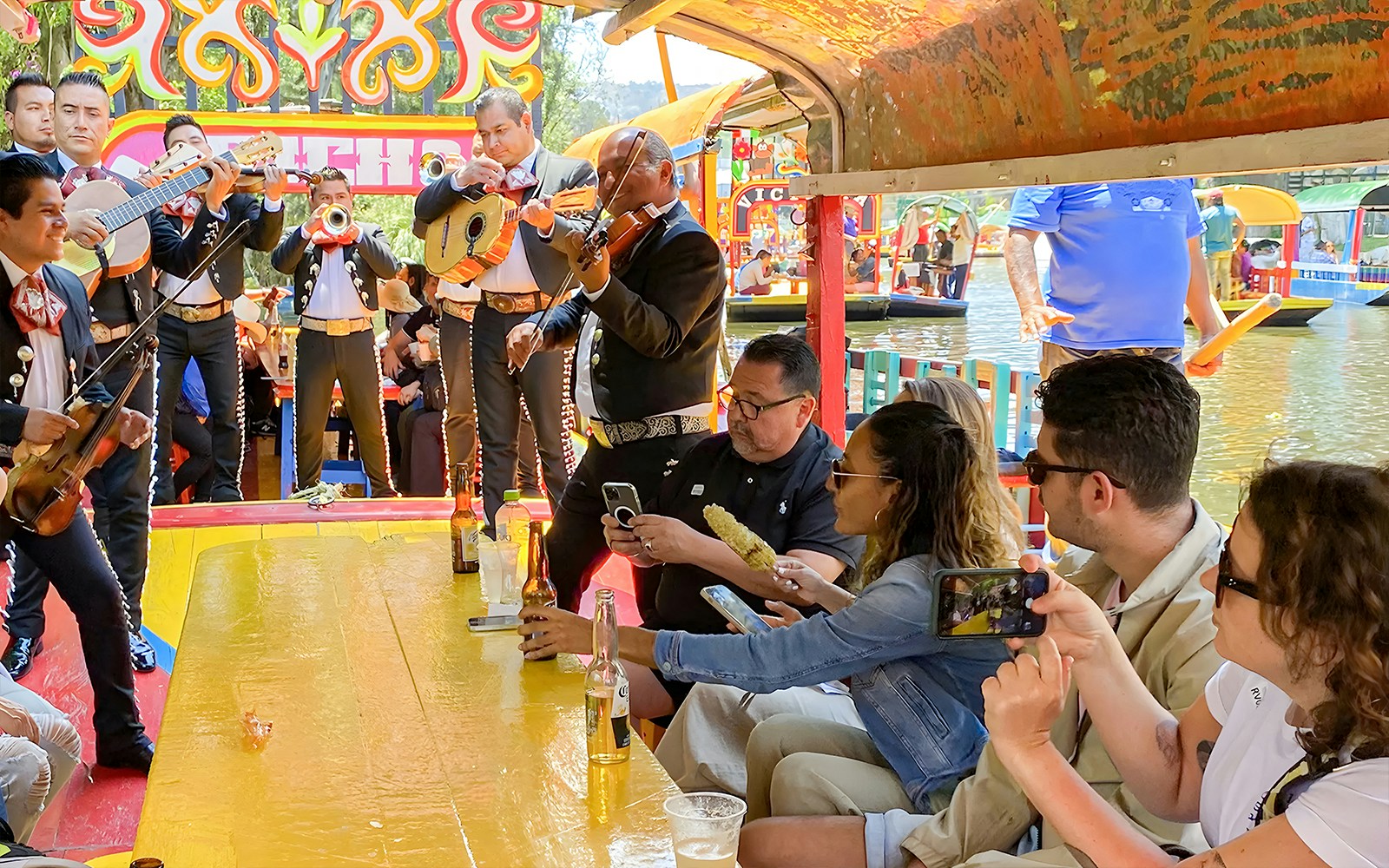
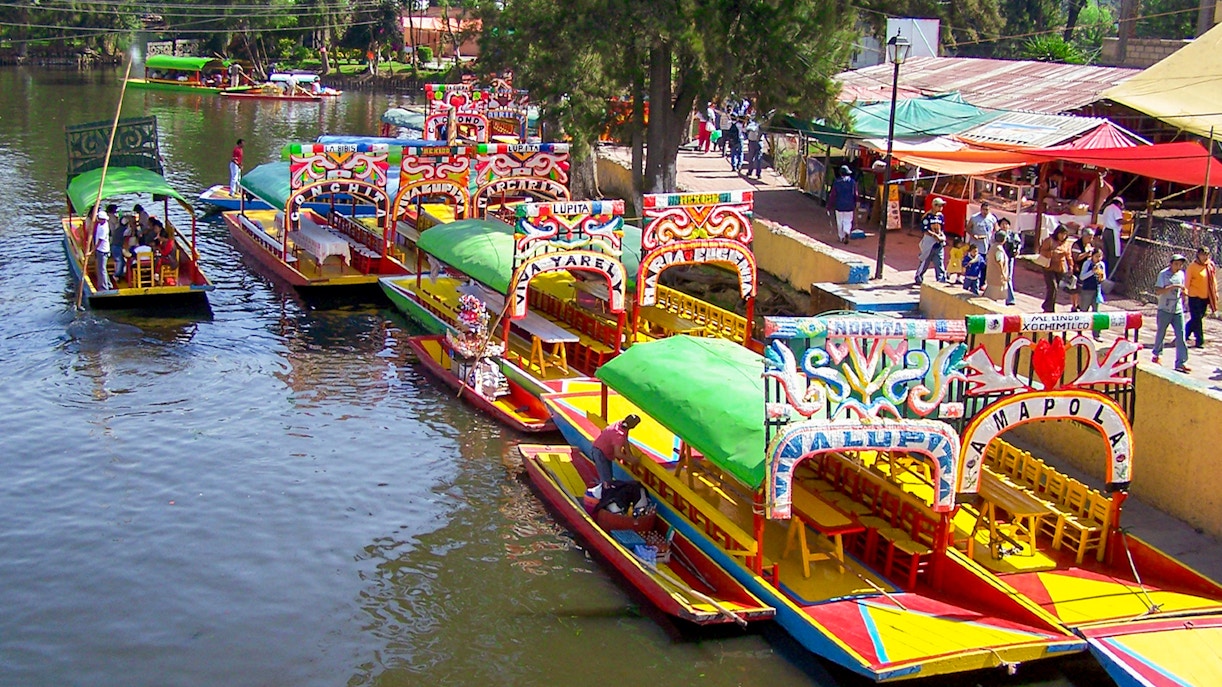
Continue to the UNESCO-listed district of Xochimilco, famed for its floating gardens. Board a brightly coloured trajinera and glide through lantern-lit waterways lined with flowers, altars, and other boats filled with singing locals. The air hums with laughter, mariachi music, and the scent of incense and marigolds.
End your night in the Centro Histórico
Return to the Centro Histórico, your camera full of glowing colours and your heart full of emotion, having witnessed how Mexico transforms mourning into one of the world’s most beautiful celebrations of life.
Things to know before booking the Day of the Dead tour
- The Day of the Dead is not a somber event; it’s a joyful and heartfelt celebration of life and remembrance. It’s a culturally rich evening that blends indigenous roots with Catholic traditions, offering an authentic insight into Mexico’s national identity.
- The Dia de los Muertos cemetery scenes you’ll witness are deeply symbolic, as families decorate graves to guide the spirits of loved ones back to the world of the living, and gently send them home again.
- Day of the Dead decorations carry meaning: marigold petals form a glowing path for souls, sugar skulls symbolize the sweetness of life, and pan de muerto honors ancestors and shared memory.
- The Xochimilco canal ride adds another poetic layer. Water represents passage between worlds, and your colourful trajinera glides through lantern-lit waterways filled with music, flowers, and offerings.
- The Mexico Day of the Dead tour takes place only on November 1, aligning with Mexico’s Day of the Dead celebrations. It begins at 6pm and runs for approximately eight hours.
- The experience is led by an expert bilingual guide, fluent in both English and Spanish, making it ideal for English-speaking travellers.
- The Mexico Day of the Dead tour operates as a small group tour, ensuring a more personal and immersive experience.
Highlights of your Day of the Dead tour
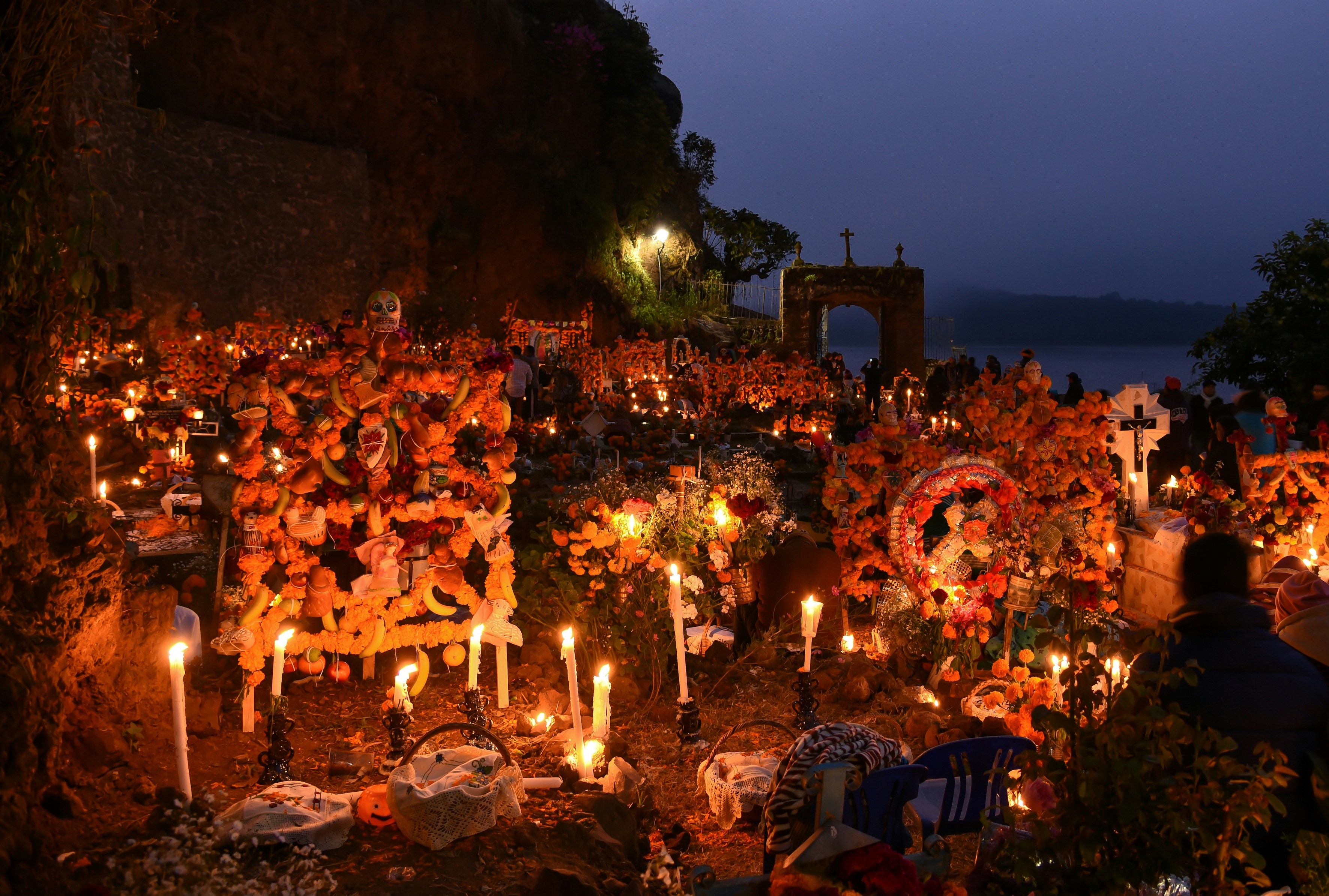
The cemetery lit in the glow of thousands of candles, with ofrendas and cultural symbolism everywhere, a deeply atmospheric moment.
Plan your visit to the Day of the Dead tour

- Meeting & return point: Centro Histórico, Cuauhtémoc, 06000 CDMX. This is both the starting and return point for the tour.
- By metro: Take Line 1 (Pink Line) to Isabel la Católica Station, just a 3-minute walk from the meeting point.
- By bus: The nearest stop is Isabel la Católica (#4 bus), located about one minute on foot from Hostal Amigo.
- By taxi or rideshare: Taxis and rideshare services like Uber or Didi are easily available throughout the city. Simply enter “Hostal Amigo Centro Histórico” as your destination.
- Walking: If you’re staying in or near the Centro Histórico, the meeting point is easily accessible on foot from most major hotels and attractions.
- In the Cemetery: Be respectful—some sections may require quiet.
- Avoid touching or interfering with family altars or personal offerings.
- Ask permission before taking close-up photos of people or private rituals.
- On the trajinera ride: Remain seated while the boat is moving and keep your belongings secure.
- Please follow your guide’s instructions to ensure a safe and respectful experience for everyone.

- Arrive hungry for culture! The scenes at the cemetery are most magical after dark, when the candles glow. If you can, avoid arriving too early.
- On the boat in Xochimilco, pick a seat on the outer edge for easier photo angles of the water and lights.
- Try Day of the Dead food or pan de muertos (bread of the dead) either before or after the tour; it adds flavor to your experience.
- Bring a small cash amount (Mexican pesos) in case of impromptu snacks, souvenirs, or tipping. Even though tips aren’t included, a small gesture to your guide is appreciated.
- Charge your phone and bring a power bank. The night setting will provide some spectacular shots, and you’ll want backup.
- Consider wearing something bright or festive (even a small marigold accessory), as the mood embraces color and celebration, and you’ll fit right in.
Day of the Dead facts
- The spirit’s journey: Traditionally, families believe that on Día de los Muertos, spirits return to visit the living. Candles and marigolds are laid out to light their path home, and some people even leave the front door open for them.
- La Llorona meets La Catrina: One popular legend tells of La Llorona, the Weeping Woman, whose cries warn that her lost children are nearby. During the festival, her story merges with La Catrina imagery, symbolizing both mourning and joyful remembrance.
- The significance of Day of the Dead food: Each Day of the Dead food is carefully curated. It may include spicy tamales, chocolate, tequila, or even cigarettes, depending on the departed’s tastes, creating a personal bridge between the living and the dead.
- Night vigils are sacred: Families often stay all night at gravesites, singing, playing instruments, and sharing stories, creating a living memory space where generations connect.
- Global recognition: UNESCO recognizes Día de los Muertos as Intangible Cultural Heritage of Humanity, highlighting its significance worldwide.
Frequently asked questions about your Day of the Dead tour
It’s Mexico’s most cherished tradition, a day to honor and celebrate loved ones who’ve passed away, not mourn them.
The festival takes place on 1 November, marking a time when families believe spirits return to visit the living.
You’ll see marigolds, sugar skulls, pan de muerto (bread of the dead), and colorful ofrendas (altars), each carrying deep spiritual meaning.
Cemeteries in the Centro Histórico and the canals of Xochimilco are the most atmospheric. The Day of the Dead City tour combines both, offering a rich, guided experience through rituals, stories, and celebrations.
Not at all, it’s a joyful reunion between the living and the departed. Families tell stories, share favourite foods, and play music to celebrate life.
Wear comfortable shoes and layers, as you’ll walk through cemeteries and spend time on the water at night. Adding a touch of color, like a marigold accessory or face paint, helps you blend into the festivities.
Photography is encouraged, but always be respectful. Ask before photographing families or private altars, especially in cemeteries.
Expect about 8 hours in total, covering both the cemetery and the Xochimilco boat ride.
Your guide will be bilingual (English and Spanish), making it easy to follow the stories and meanings behind each tradition.