Budget 2.5–3 hours door to door for a regular show, or closer to 4 hours if you want to browse stalls outside, buy a mask, and settle in with snacks before the first bell. If you are short on time, 2 hours covers the strongest part of the card, but the full experience works better if you arrive early.
Quick Information
ADDRESS
Dr. Lavista 189, Doctores, Cuauhtémoc, 06720 Ciudad de México, CDMX, Mexico
TICKETS
From $65
Is Arena México worth visiting?
The first thing you notice is the noise: whistles, entrance music, vendors calling, and whole sections chanting at once. Then the masks appear, glittering under the lights. Even before the first slam, Arena México feels less like a sports venue and more like a city ritual performed at full volume.
The current arena was built to give lucha libre a permanent home, and you can feel that purpose in the steep tiers, tight sightlines, and crowd-first layout. This is not background entertainment. Every entrance, taunt, and comeback is engineered to pull the room into the story of técnicos against rudos.
What stays with most visitors is the sense of instant participation. You do not need Spanish, wrestling knowledge, or even much context to get swept up in the rhythm of the crowd. Few Mexico City nights feel this communal, theatrical, and local this quickly.
Skip it if loud indoor crowds, staged combat, or steep upper-tier stairs will make the evening more stressful than fun.
What to experience at Arena México?
1/6
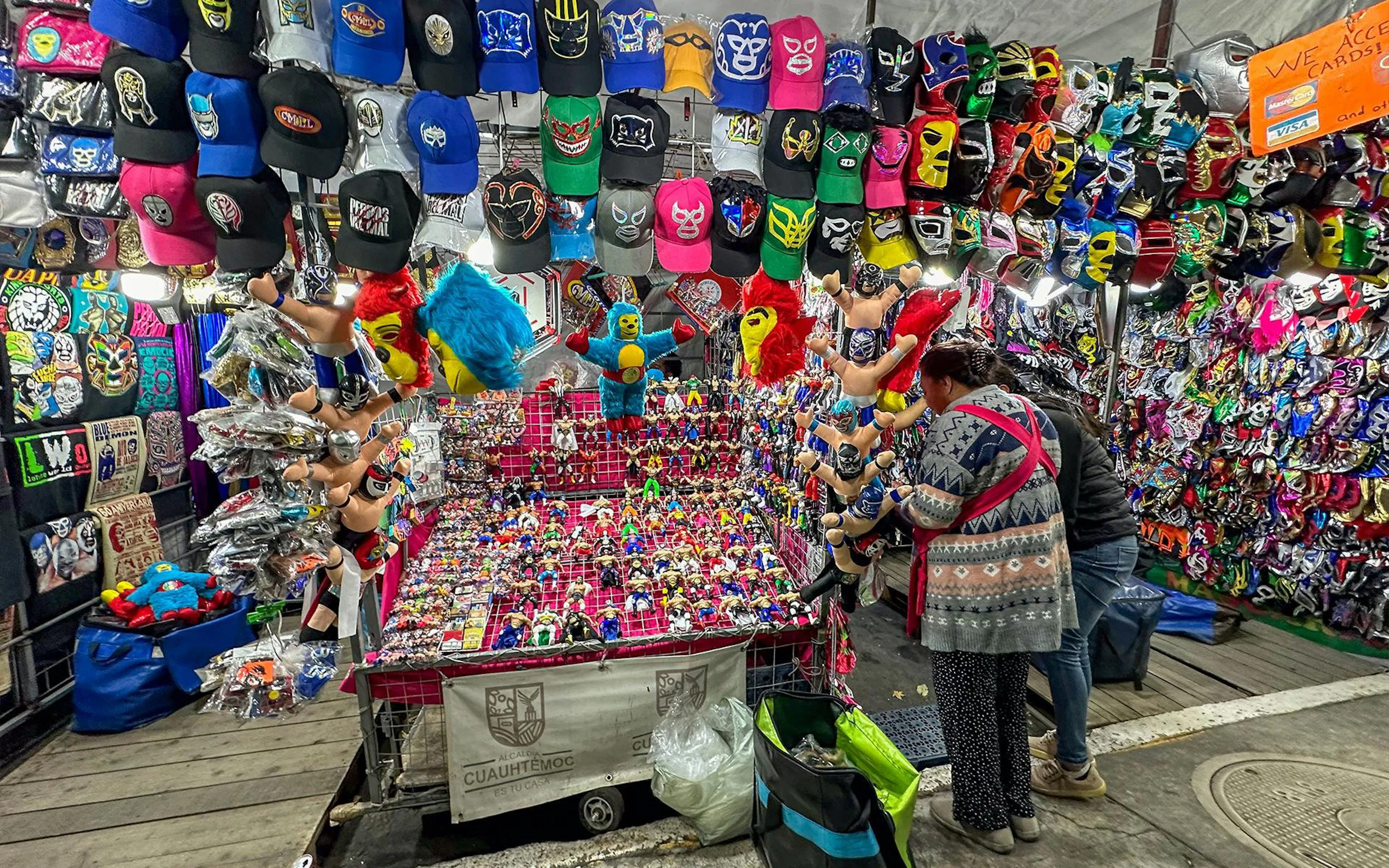
Outside merchandise stalls
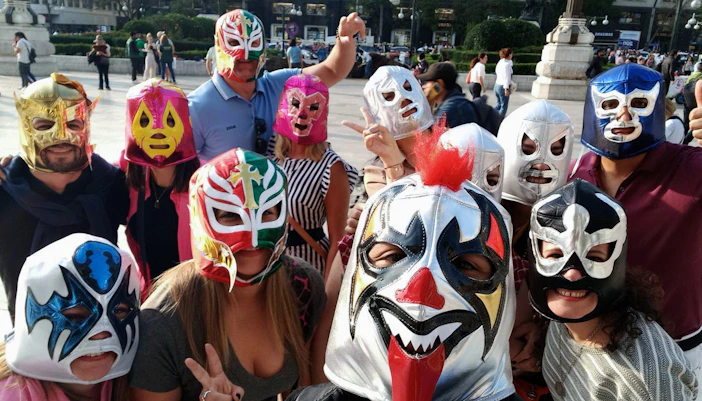
Arrive early and the sidewalks become part of the show. Vendors sell masks, shirts, and snacks, while fans gather outside in costume. Give yourself 30–45 minutes here if you want photos and a souvenir before entry lines thicken.
The seating bowl
Once inside, look up before the first match starts. The circular bowl is compact enough that even higher seats keep the ring in view, while lower sections put you close enough to catch every taunt and near fall.
The wrestler entrances
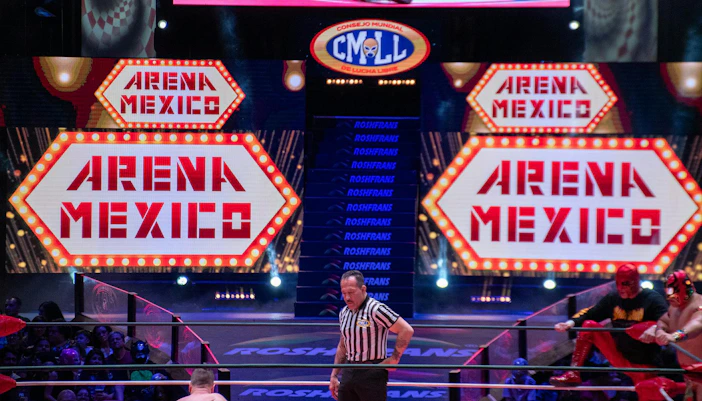
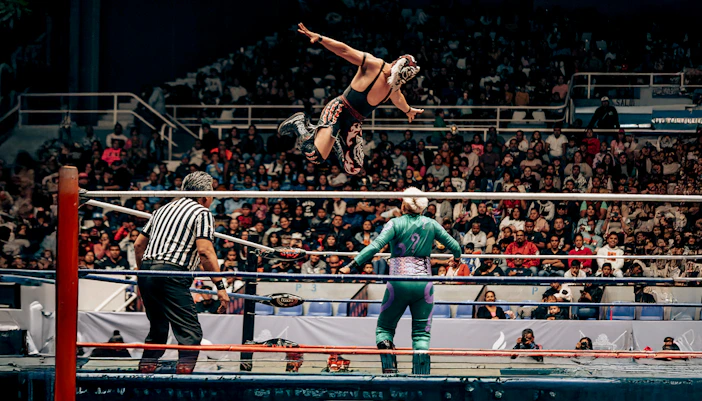
The entrances are half the drama. Masks, capes, theme songs, and crowd reactions introduce each técnico or rudo before a move is thrown. Seats facing the entrance ramp give you the clearest view of this pre-match theater.
The early-card matches
Do not write off the opening bouts as warm-ups. They set the tone, introduce faster younger wrestlers, and teach you the crowd’s rhythm. Many first-timers arrive late and miss some of the funniest, sharpest action.
The main event
The final match is where the arena’s energy peaks. Expect louder chants, bigger aerial moves, and the most established personalities on the card. Stay through the last fall; the show is built to crescendo, not drift out.
Aisle vendors and crowd rituals
Part of the charm is never having to leave your seat for a snack or drink. Vendors move constantly through the aisles, and the crowd’s boos, whistles, and call-and-response chants become their own parallel performance.
How to explore Arena México

How much time to spend?
Best visit order
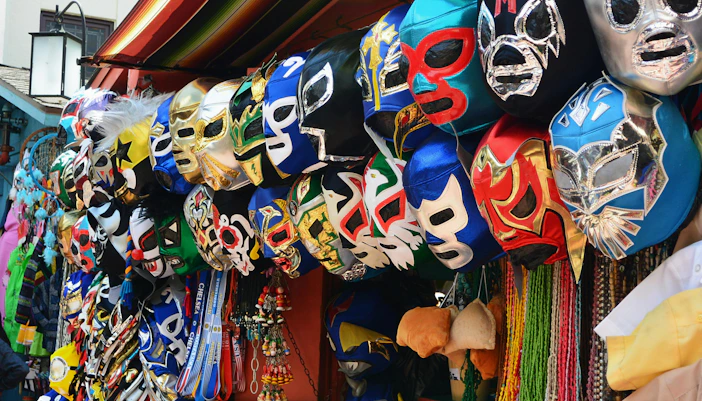
Start outside the arena 30–45 minutes before showtime, especially on Friday nights. Browse the merchandise stalls first, clear security next, then find your seat before the introductions begin. If you are choosing between lower and upper sections, decide before entering so you are not climbing steep stairs twice.
Must-see highlights
Must-see: the pre-show street scene, wrestler entrances, crowd chants, and the main event. Optional: buying a luchador mask, drinks at your seat, or lingering after the show for tacos nearby, which usually adds 30–60 minutes.
Worth adding nearby
Centro Histórico pairs well with the arena if you want a full evening out. A guided downtown lead-in, such as Arena Mexico: Lucha Libre + Walking tour, turns the night into more than just a match.
Guided or self-paced?
A guided visit is worth it if this is your first lucha libre show, you want the backstory on masks and match rituals, or you would rather not think about transport at night. Arena Mexico: Lucha Libre Small Group Tour is the cleanest option for that. Self-paced is absolutely fine if you are comfortable using rideshare or metro, mainly want the live atmosphere, and are happy to treat the night as a local event rather than a lesson.
Brief history of Arena México
- 1956: The current Arena México opens in Colonia Doctores, replacing an older arena on the same site and giving Mexico City’s wrestling scene a larger dedicated home.
- Late 20th century: The venue becomes firmly associated with CMLL and earns its enduring nickname, ‘La Catedral de la Lucha Libre’.
- Every September: Arena México hosts CMLL’s Anniversary Show, the promotion’s signature event and one of the most important nights in Mexican wrestling.
- 2020: Public shows pause during the pandemic, interrupting one of the city’s longest-running live entertainment traditions.
- 2021: Limited public attendance returns as live events gradually reopen.
- Today: Arena México remains the capital’s best-known lucha libre venue, drawing locals and travelers to regular Tuesday, Friday, and Sunday cards.
Architecture & design of Arena México
Arena México is built for spectatorship above all else. The steep seating tiers, compact circular bowl, and tight sightlines make the ring feel central from almost every section, which is exactly why the atmosphere lands so quickly once the crowd gets going. It does not ask you to admire decorative detail; it pulls your attention toward entrances, reactions, and the constant back-and-forth between wrestlers and fans. What stands out most is how little distance there is between performance and audience. Even from higher seats, the layout keeps the action legible and the noise concentrated, so the building works less like a neutral hall and more like an instrument tuned for weekly live theater.
Who built it?
The current arena opened in 1956 to give Mexico City’s lucha libre scene a larger permanent home. More important than a named architect is the ambition behind it: to create a purpose-built venue where wrestling could function as a mass public spectacle, not a temporary event in a borrowed space.
Why Arena México matters beyond wrestling
Arena México works because it is not only a venue for matches. It is a weekly social ritual where families, office groups, die-hard fans, and curious travelers all read the room the same way within minutes. Lucha libre sits somewhere between sport, theater, comedy, and folklore, and this arena is where that blend feels most legible. If you are wondering whether it is ‘just wrestling,’ that is the wrong frame. What you are really watching is a form of Mexico City popular culture that still belongs to locals first.
Frequently asked questions about Arena México
Yes, for most visitors it is. Show nights bring heavy foot traffic, security, and lots of families. Use the same city habits you would anywhere: arrive by rideshare or metro, avoid isolated side streets, and leave with the crowd.
Friday is the fullest, loudest, and most star-driven card, so it is the best pick for first-timers. Tuesday feels more local, while Sunday starts earlier and is often better for families or travelers who want an earlier finish.
Usually no. Mobile QR tickets are commonly accepted, so a phone ticket is enough for most visitors. Bring the same ID used for booking if you are collecting anything at will-call or troubleshooting entry at the venue.
For atmosphere and detail, sit low and opposite the wrestler entrance ramp. For value, the mid-tier sections are the sweet spot. Even upper seats still see the ring well, but expect steeper stairs and more foot traffic.
Phones and small personal items are usually fine, but large or professional cameras are not allowed. Bags are checked at entry, so travel light. If you are carrying bulky gear, expect delays or possible bag storage.
Uber is the easiest option, but pickups right outside can be slow because the streets clog at exit time. Walk a couple of busy blocks with the crowd, then request your ride for a smoother, faster departure.
Yes, if you want the whole night organized for you. The extras matter most when they solve logistics or add context, like the Arena Mexico: Lucha Libre + Walking Tour, not when you only need a seat.
Usually, yes. Sunday cards tend to start earlier and feel less like a full Friday night blowout, which helps families. The action is still loud and theatrical, so ear protection is smart for younger children.


