About the Museum of Anthropology in Mexico City

The Museum of Anthropology in Mexico City—known officially as the National Museum of Anthropology—is where the story of Mexico begins, not with colonization, but far before it. This isn’t a museum of relics. It’s a place that holds the roots of entire civilizations, still intact, still speaking.

Set in the heart of Chapultepec Park, the museum is one of the most visited in Latin America, and easily the most important in the country. If you want to understand Mexico beyond what guidebooks tell you, you start here. With its 23 exhibition halls, it brings together the legacy of the Olmecs, Mexicas (Aztecs), Mayas, Zapotecs, and other Indigenous cultures that shaped this land.

You walk in expecting a quiet museum. You leave feeling like you've walked through centuries that never really ended.

Why is the National Museum of Anthropology important?

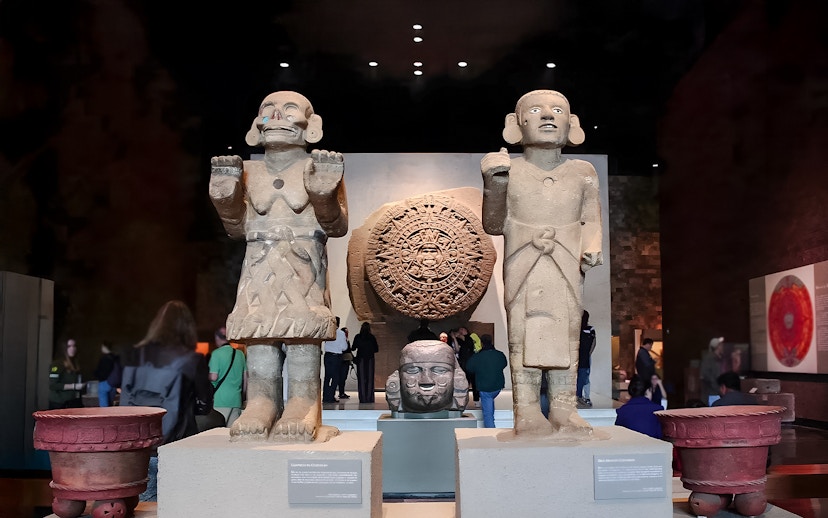
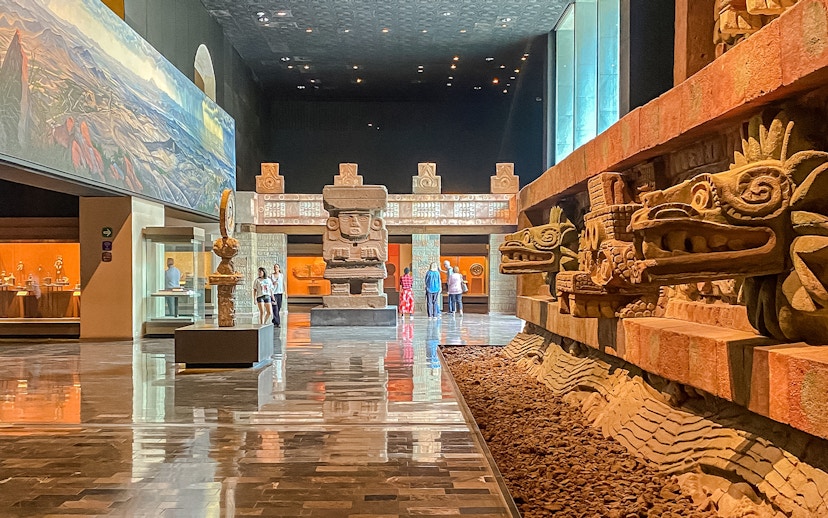
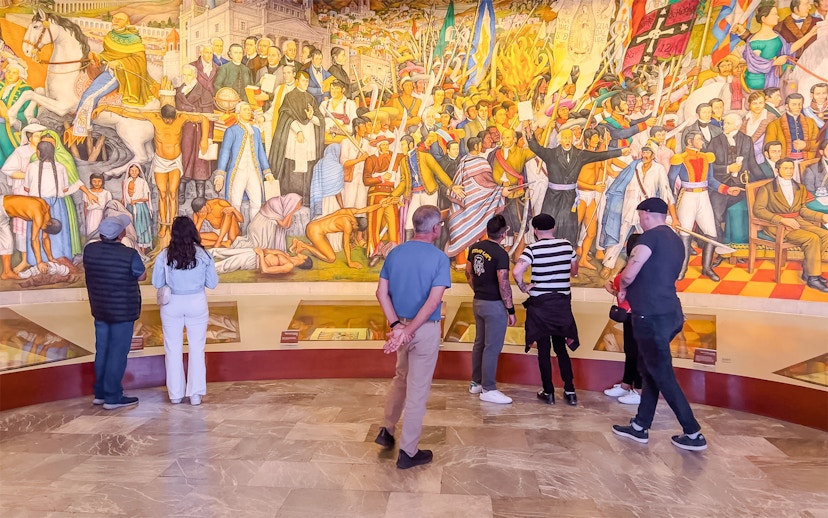
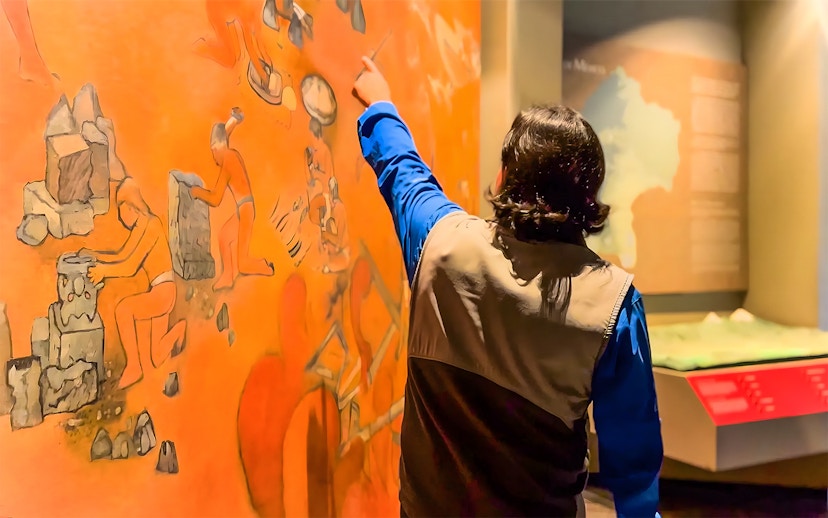
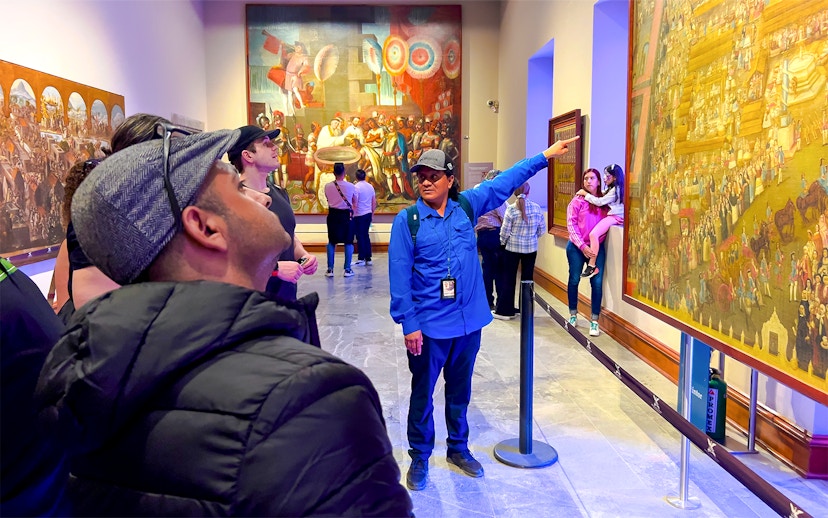
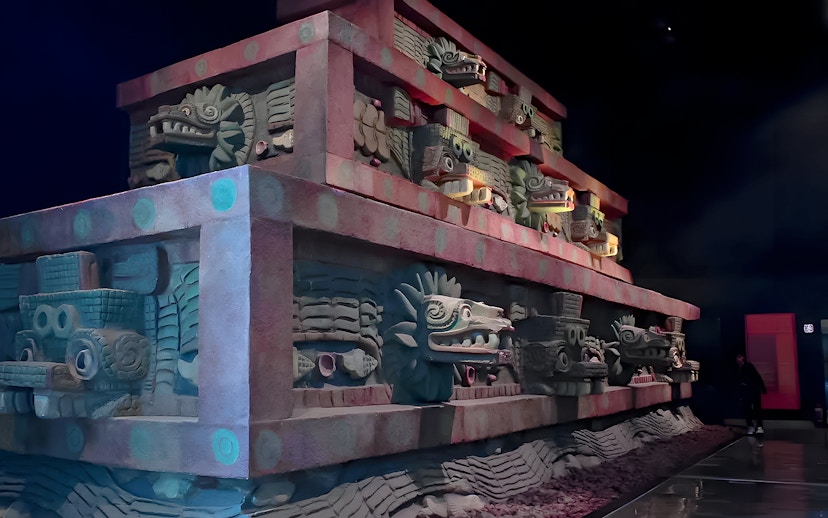
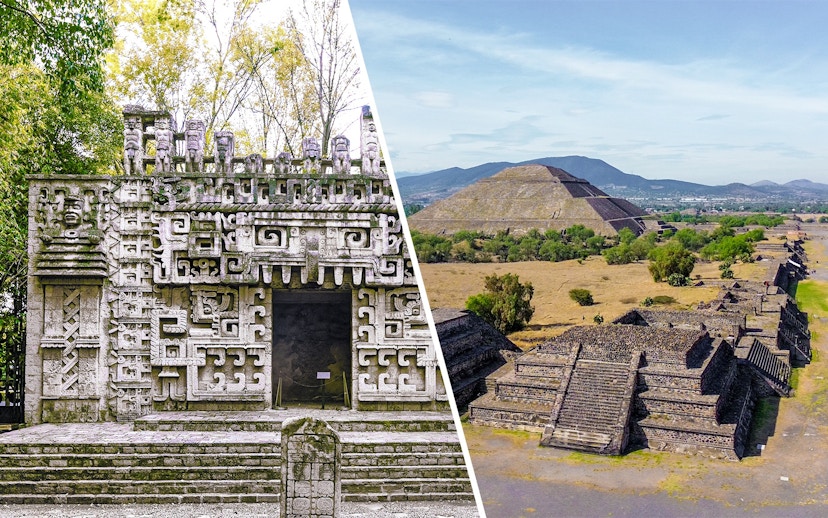
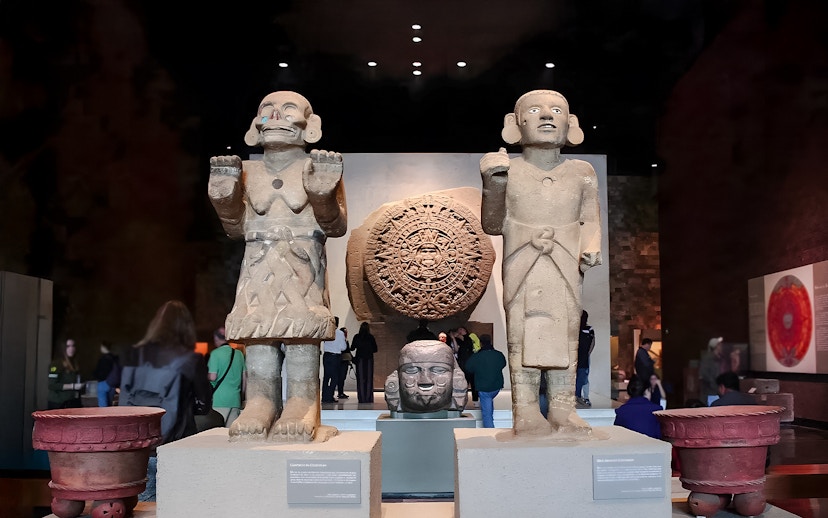
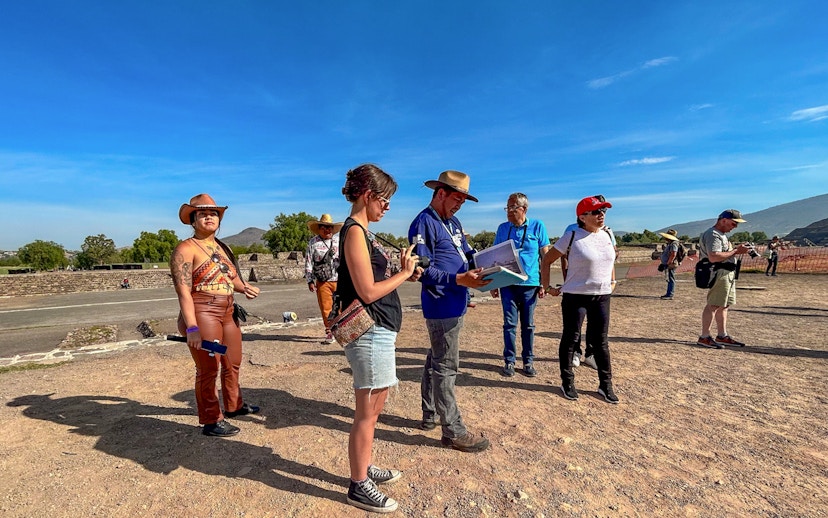
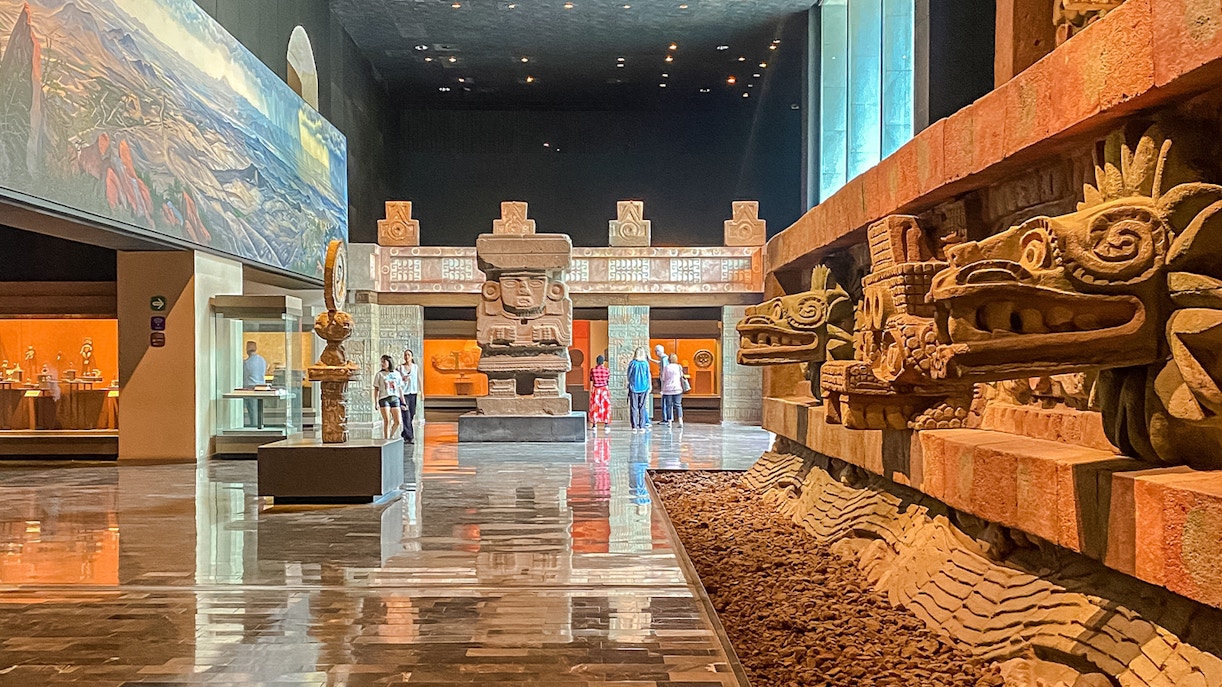
Visitors exploring exhibits at the Anthropology Museum in Mexico City.

The National Museum of Anthropology in Mexico City is more than the sum of its galleries. It was created to preserve and honor the stories that formed this country’s identity long before European contact. Every room offers physical proof of memory—carved in stone, shaped in clay, or traced in ancient glyphs.

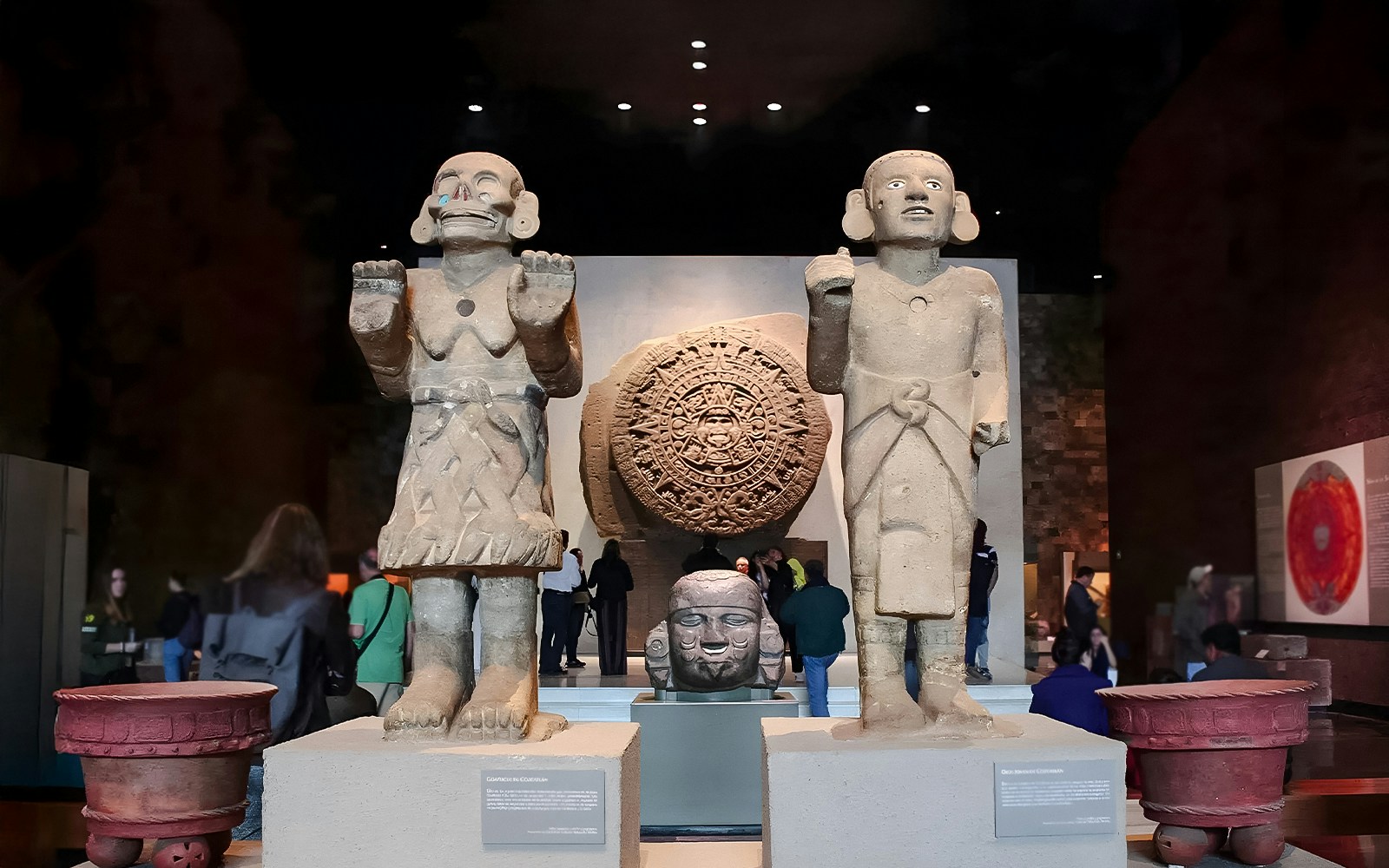
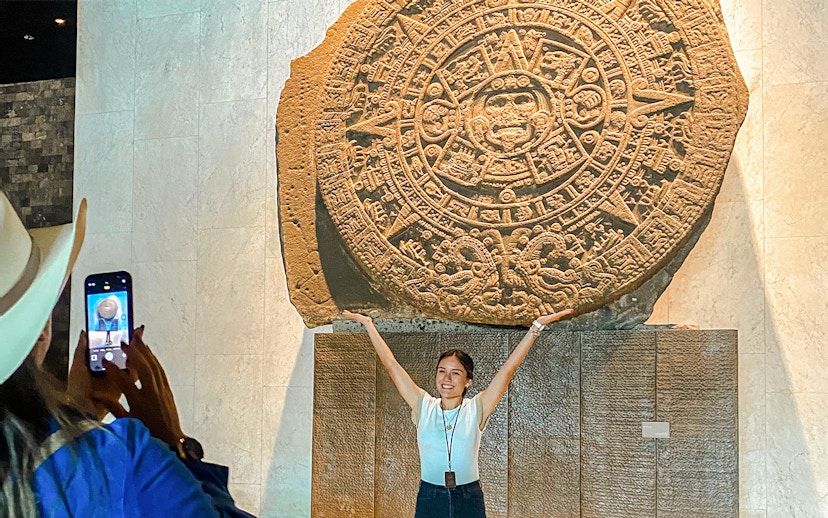
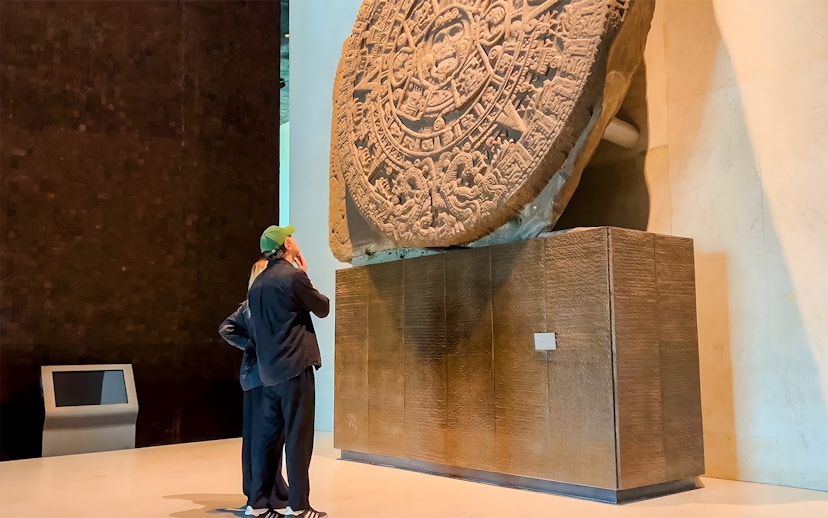
It opened to the public in 1964 and quickly became the most significant cultural institution in Mexico. It holds nearly 600,000 artifacts, though only a small fraction is on display at any one time. The most famous piece in the collection is the Aztec Sun Stone, often mistakenly called the Aztec Calendar. At nearly 25 tons, it isn’t just massive—it’s precise, scientific, and deeply spiritual, all at once.

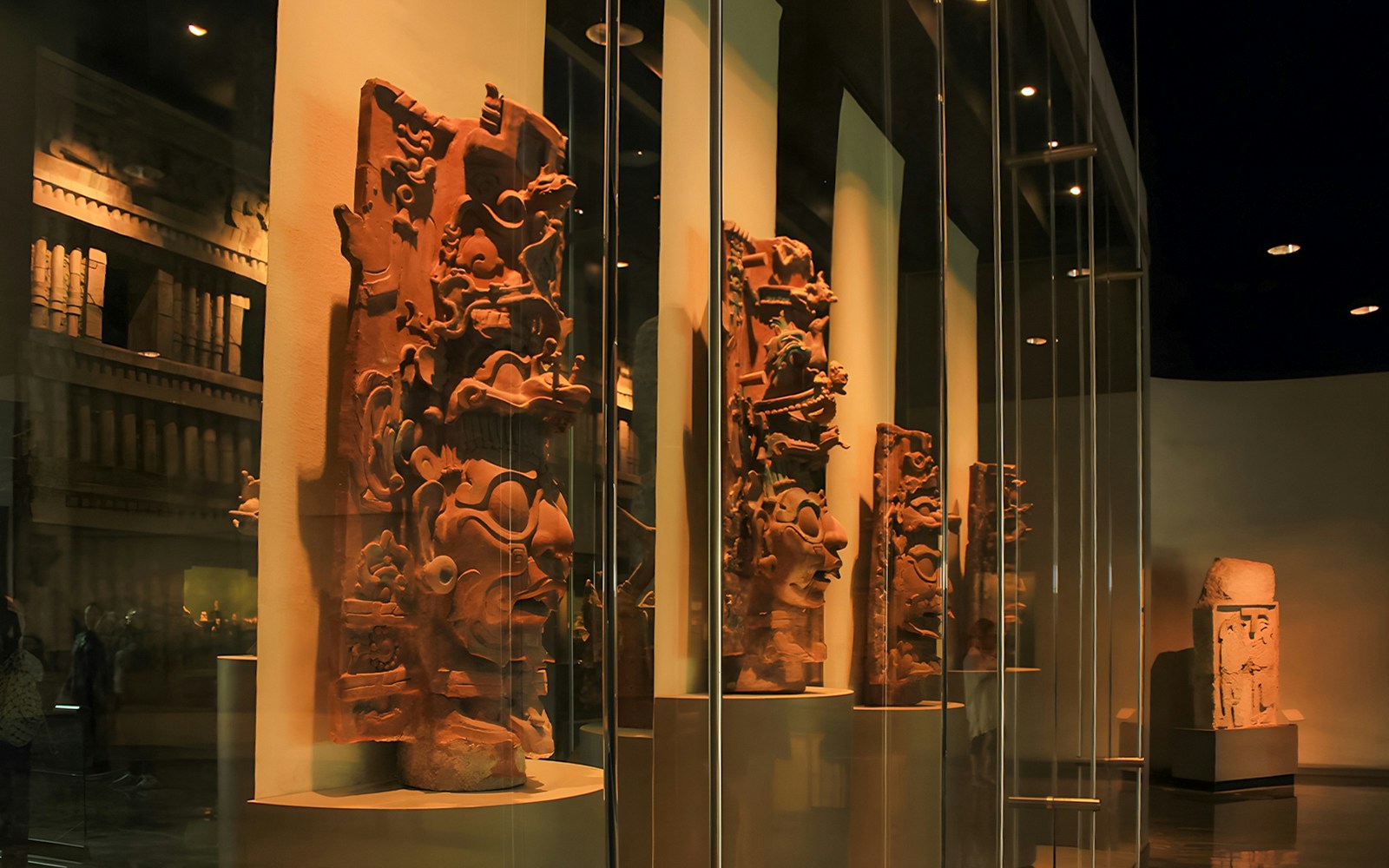
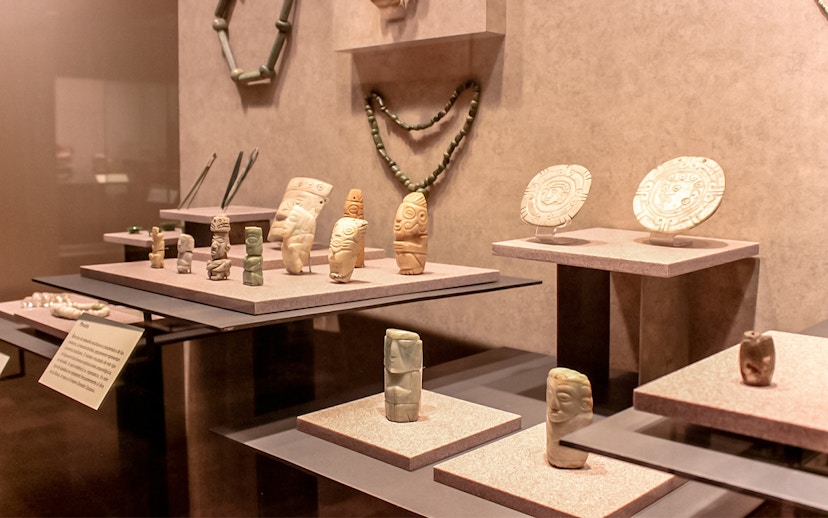
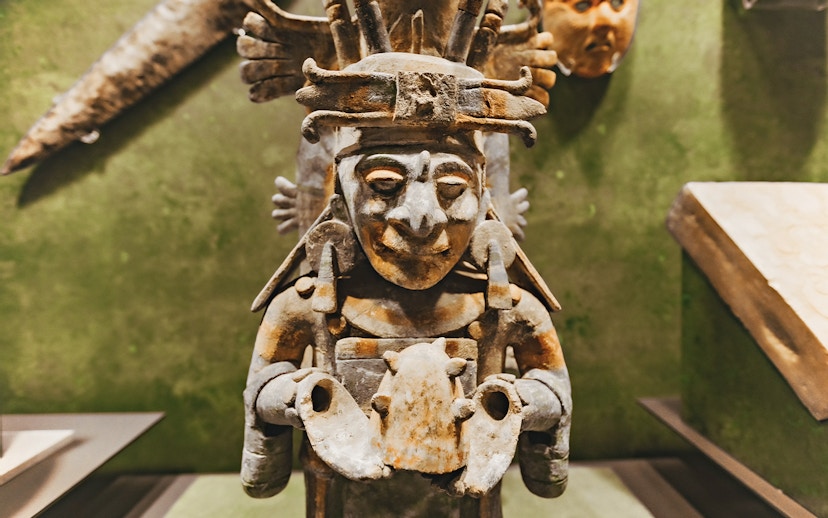
The museum also houses the jade funerary mask of Pakal the Great, a ruler of Palenque whose burial chamber changed everything we knew about Maya ritual and belief. You’ll also find colossal Olmec heads, elegant Mixtec gold jewelry, and intricate sculptures that once stood at the heart of sacred temples.
Getting to Museum of Anthropology

Who built the Museum of Anthropology?

The museum was designed by renowned Mexican architect Pedro Ramírez Vázquez, with support from Jorge Campuzano and Rafael Mijares Alcérreca. It was a post-revolutionary vision brought to life—a public space that would represent not conquest, but continuity.

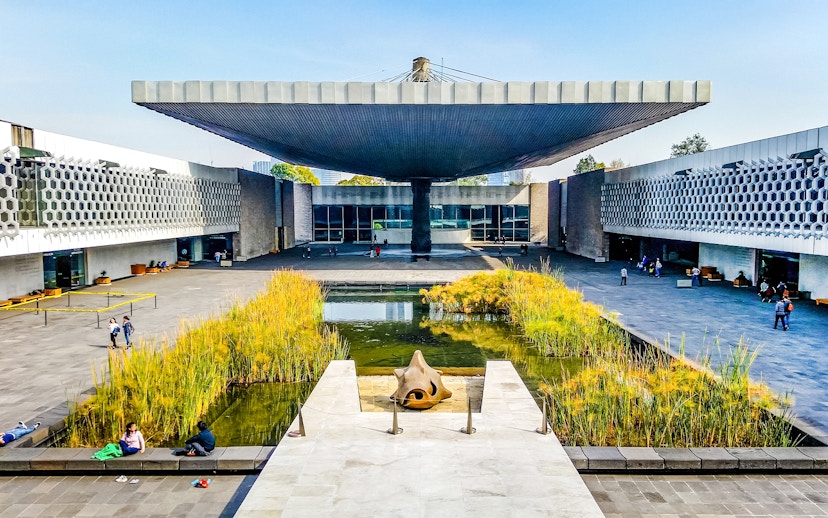
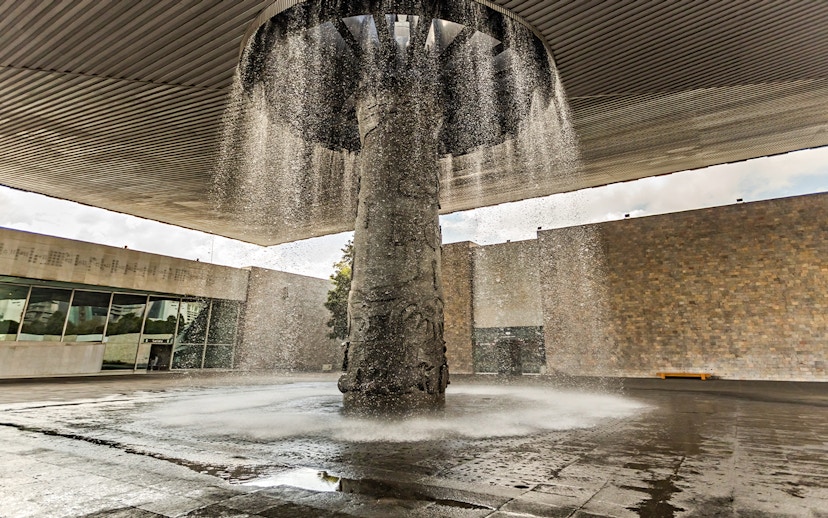
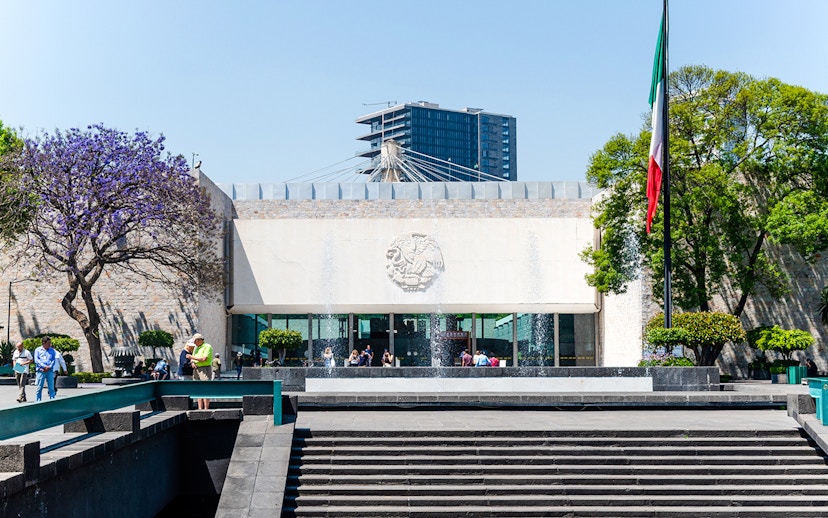
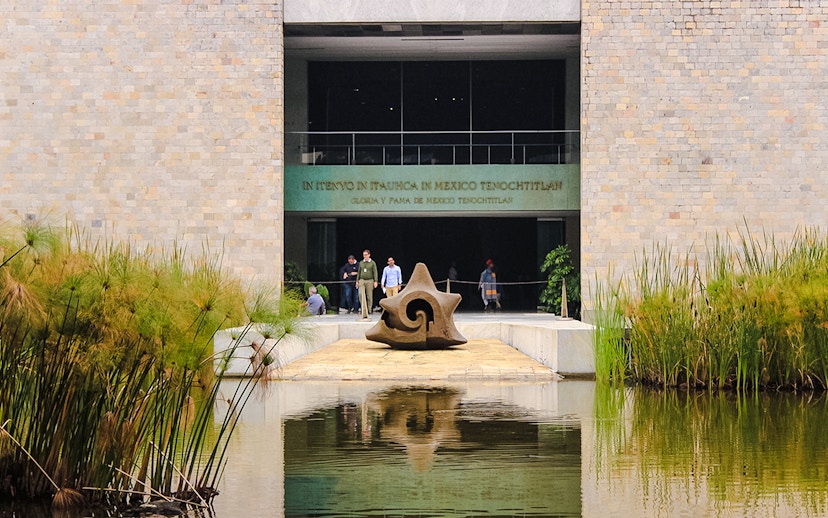
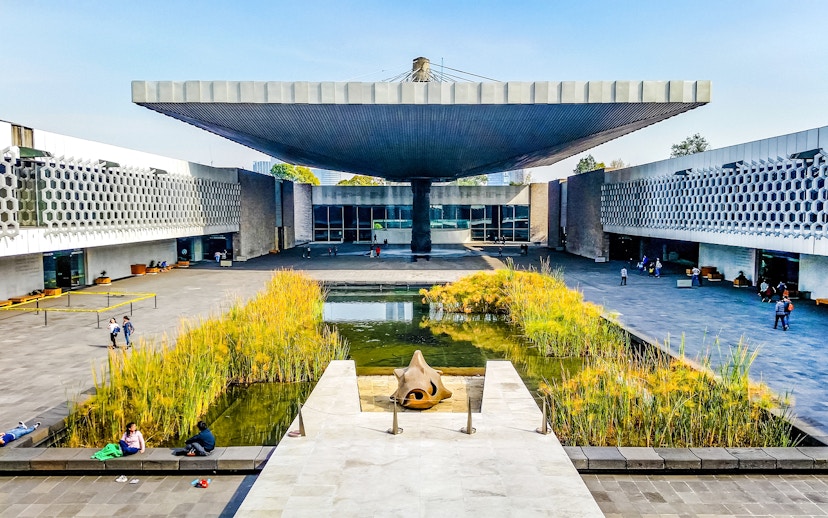
Instead of building vertically, they created a space that draws you inward. At the center is a vast open courtyard, anchored by a monumental concrete structure known as El Paraguas, or “The Umbrella.” Water cascades from its single supporting pillar, symbolizing life and protection. The pillar itself is carved with Indigenous iconography, reinforcing the museum’s purpose: to shield and celebrate heritage.

What can you see inside the Mexico City Museum of Anthropology?

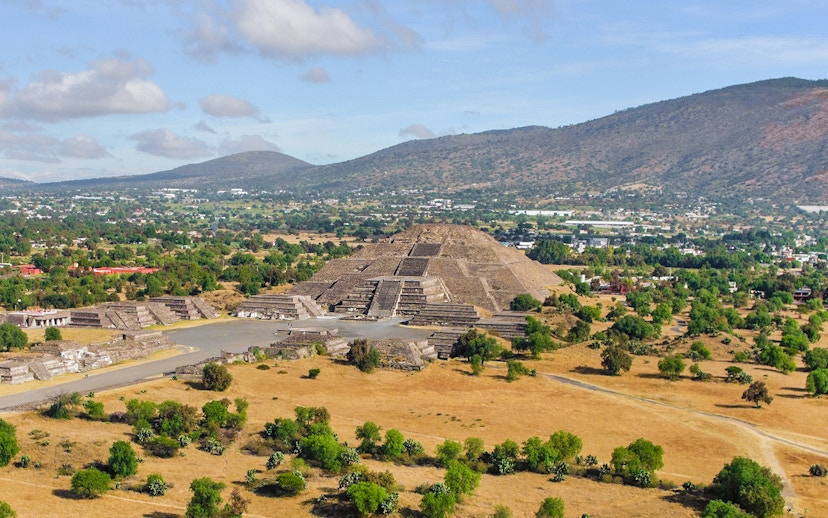
Visitors exploring exhibits at the Anthropology Museum in Mexico City.
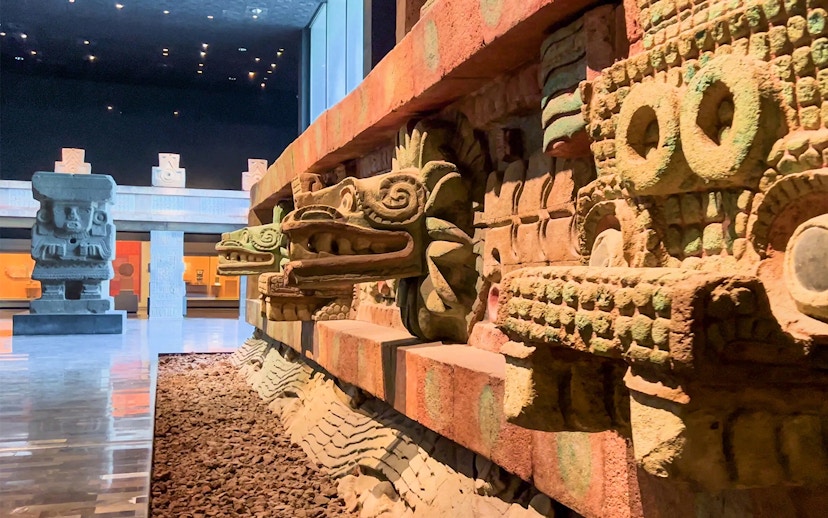
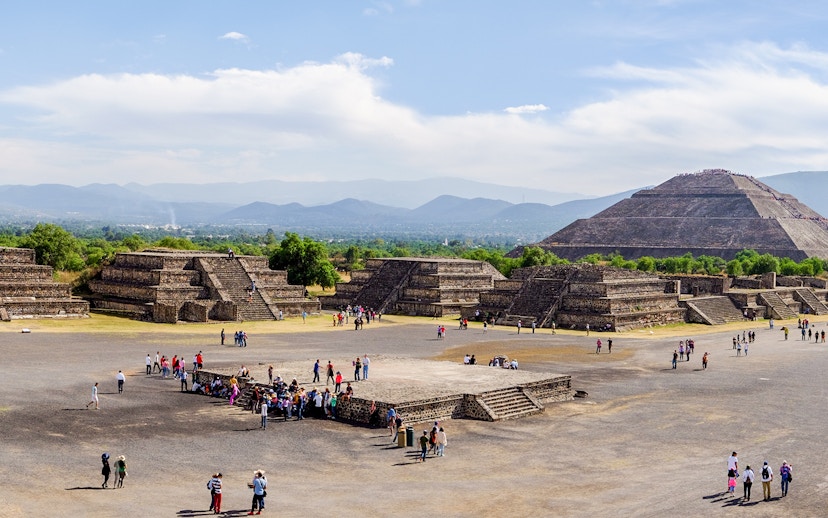
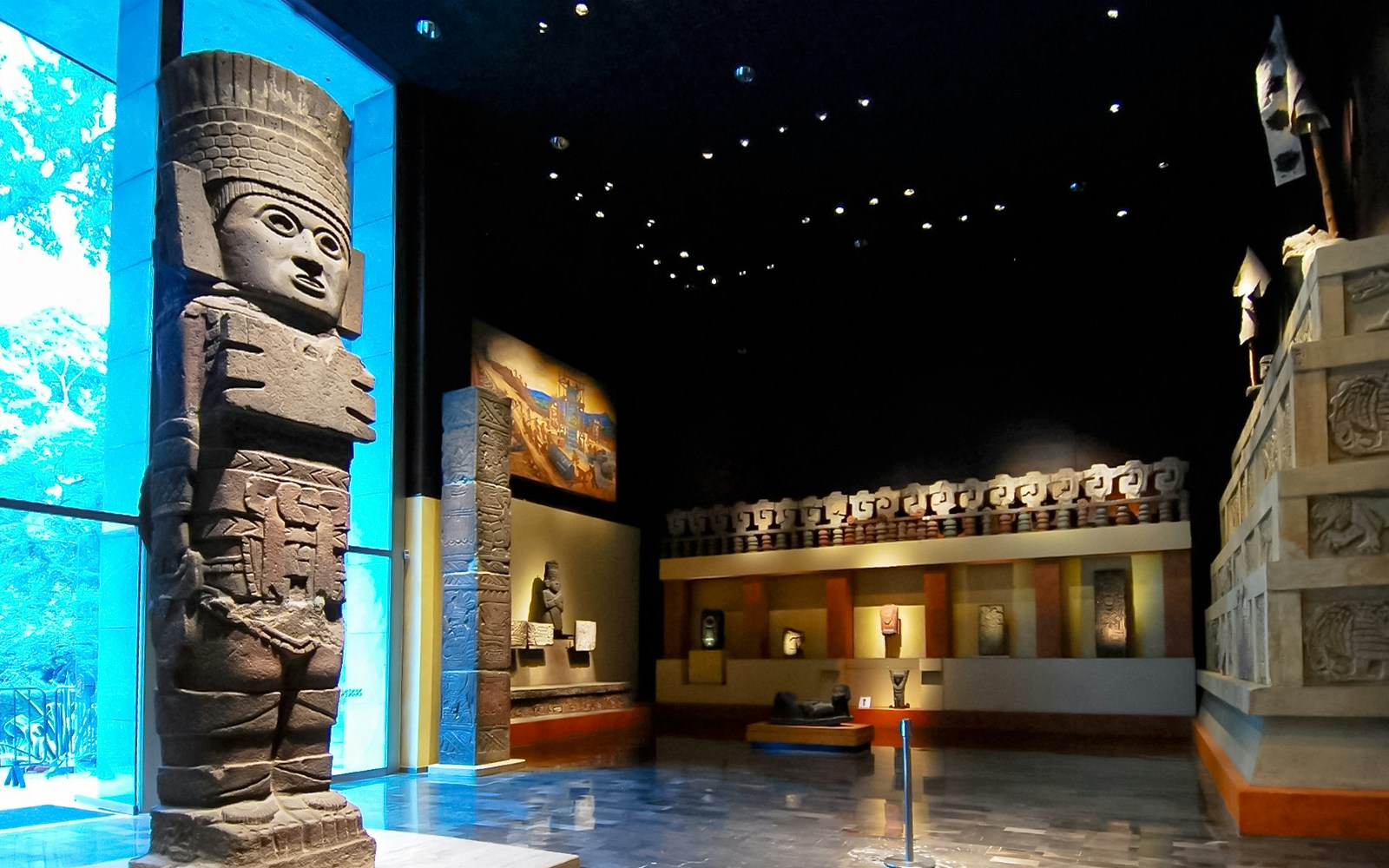
Visitors examining artifacts at the Anthropology Museum, Mexico City.
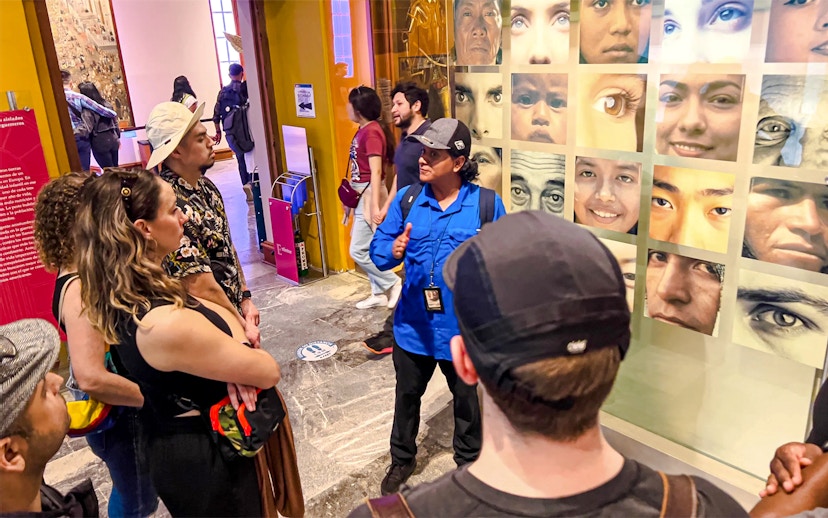
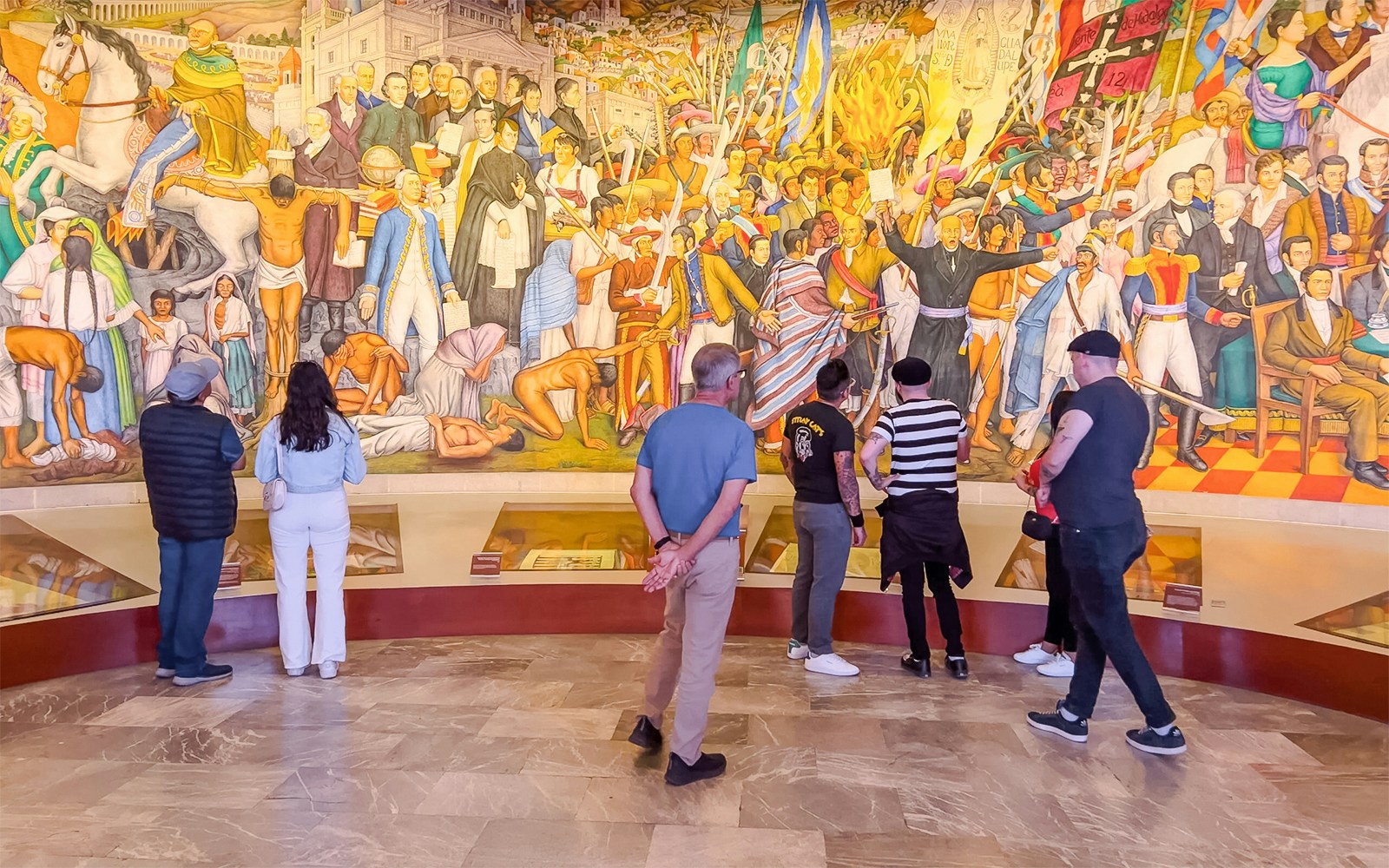
Visitors exploring exhibits at the Anthropology Museum in Mexico City.
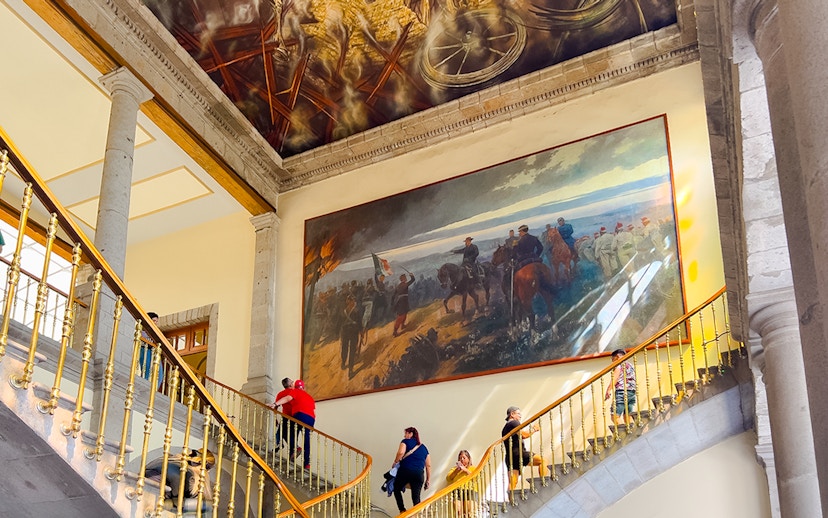
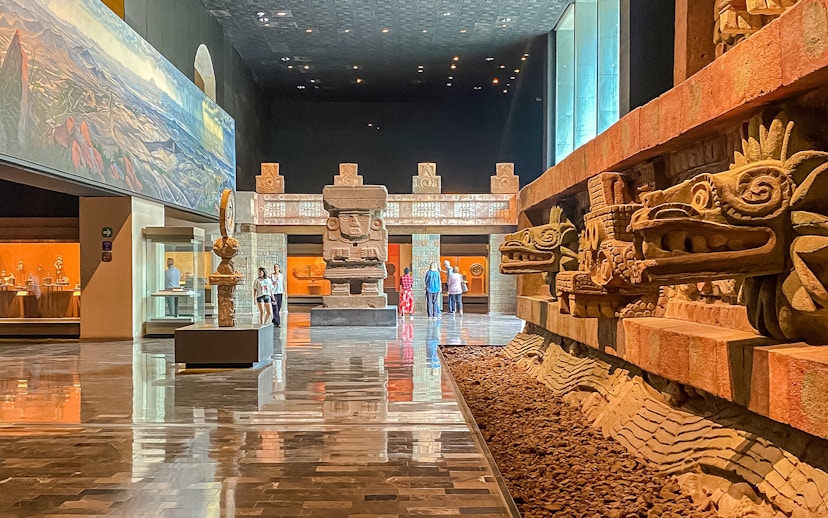
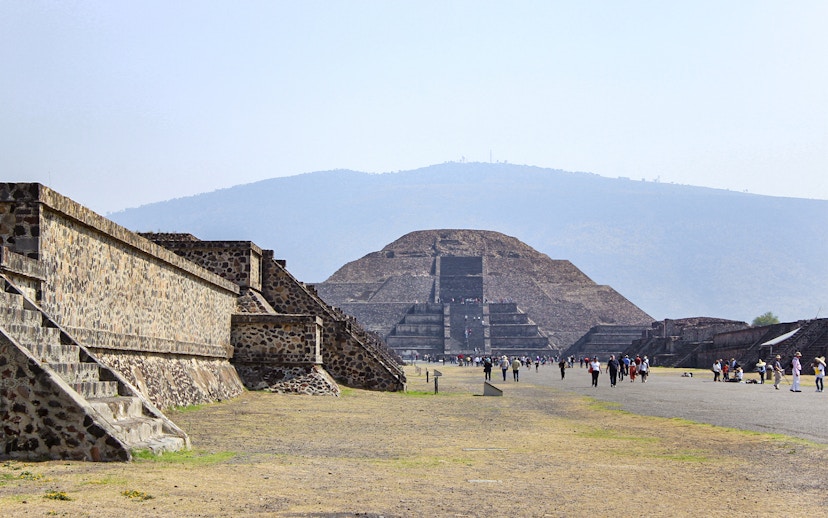
Visitors exploring exhibits at the Anthropology Museum, Mexico City.
1/4

Mexica (Aztec) Hall

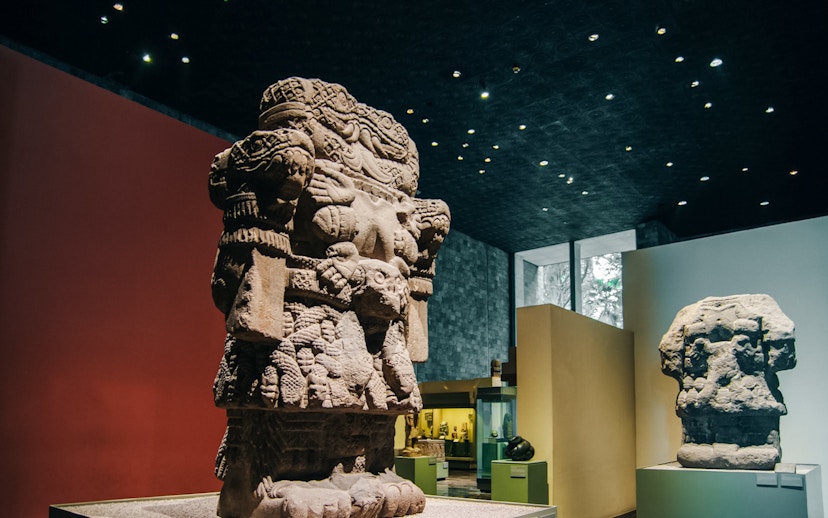
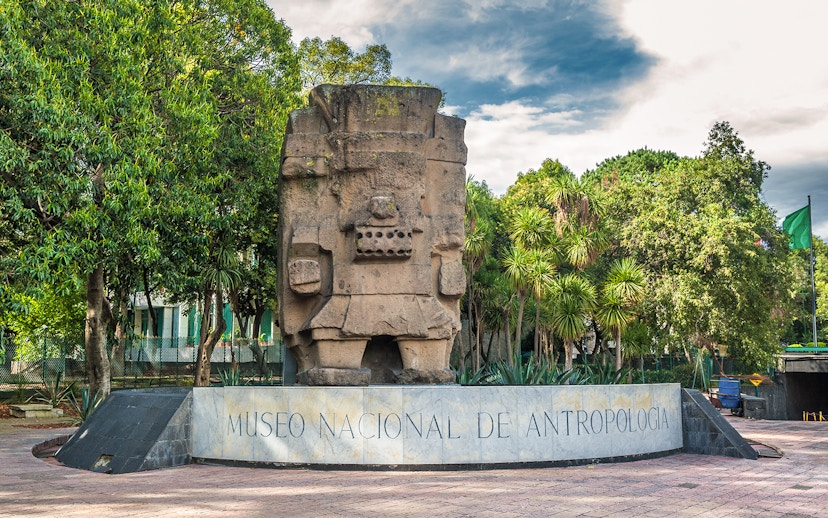
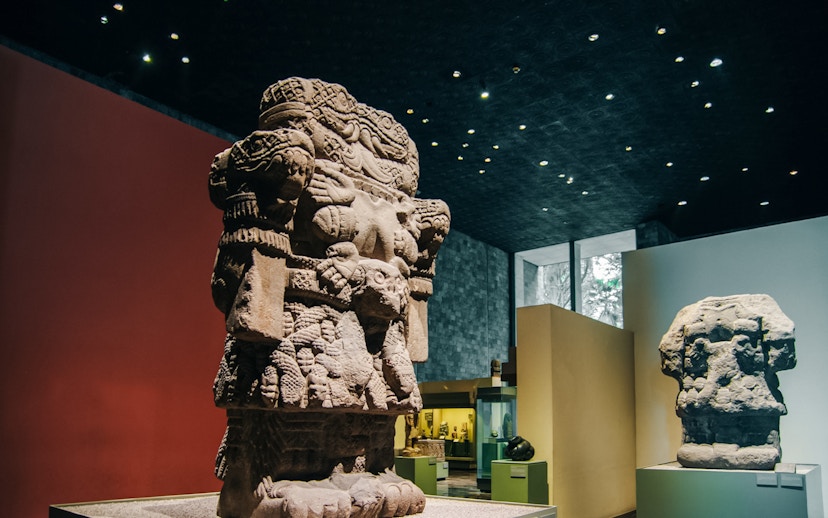
Here you’ll find the Sun Stone, the Statue of Coatlicue, and a massive stone sculpture of Tlaloc, the god of rain. These works are not just artistic—they reflect deep astronomical and ritual knowledge.

Maya Hall

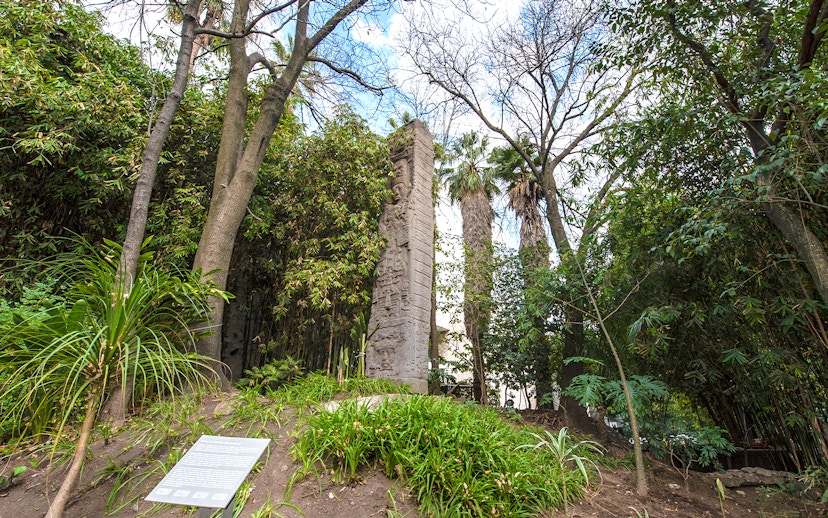
Home to a precise replica of Pakal’s tomb, this gallery explores everything from cosmology to architecture, featuring carved stelae and intricate jade relics.
Oaxaca Hall

Artifacts from Monte Albán and Mitla show how the Zapotec and Mixtec civilizations honored their dead and developed advanced city planning.
Olmec Hall

This is where you come face to face with the Colossal Heads—basalt sculptures dating back over 3,000 years, each weighing several tons and carved with haunting, human precision.

How is the museum designed?

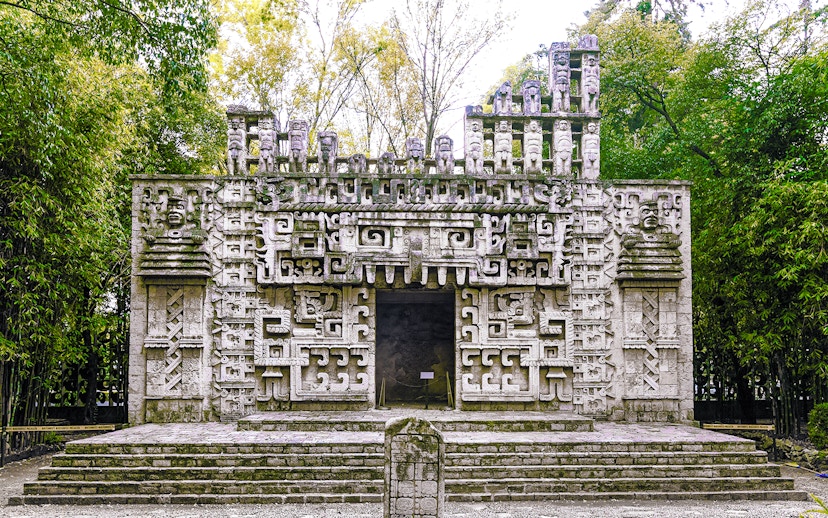
The building itself tells a story. The architects designed it as a living space, not a container. Galleries open onto gardens. Stones and water are as much a part of the structure as concrete. There are no harsh boundaries between the natural and the curated. You’ll often walk from an indoor exhibit directly into an open-air replica of a temple, surrounded by trees, birds, and wind.

The most iconic part of the structure is the giant concrete umbrella in the courtyard, supported by a single column. The design draws from the ceiba tree, sacred to the Maya, which was believed to connect the heavens, earth, and underworld.

Why visit the National Museum of Anthropology Mexico

There is no better introduction to the spirit of Mexico than this museum. If you're looking for surface-level facts, any tour can provide that. But if you want to understand how this country thinks, dreams, and remembers, then you come here.

You’ll see the stone faces of rulers who once stood atop pyramids. You’ll see tools used in daily life and altars meant for gods. And you’ll understand that none of this is ancient in the way museums often imply. It’s ongoing. It’s part of the present.

Frequently Asked Questions

The Museum of Anthropology is located inside Chapultepec Park, one of the largest urban parks in the world. The exact address is Av. Paseo de la Reforma & Calzada Gandhi S/N, Polanco, Mexico City. It’s easily accessible by metro (Auditorio station on Line 7) or by walking from nearby landmarks like the Tamayo and Modern Art museums. Most visitors spend at least half a day here, so it’s best to arrive early.