Mexico City Tours


Frida Kahlo: The Immersive Biography is not a museum visit. It is a walk through the inner world of a woman who painted her pain as if it were a second skin. Inside Espacio Alter, her memories rise as light, her emotions move across walls, and her life unfolds through projections, sound, and virtual reality. This is the closest you can get to understanding Frida without stepping into her house in Coyoacán.

Why visit Frida Kahlo: The Immersive Biography

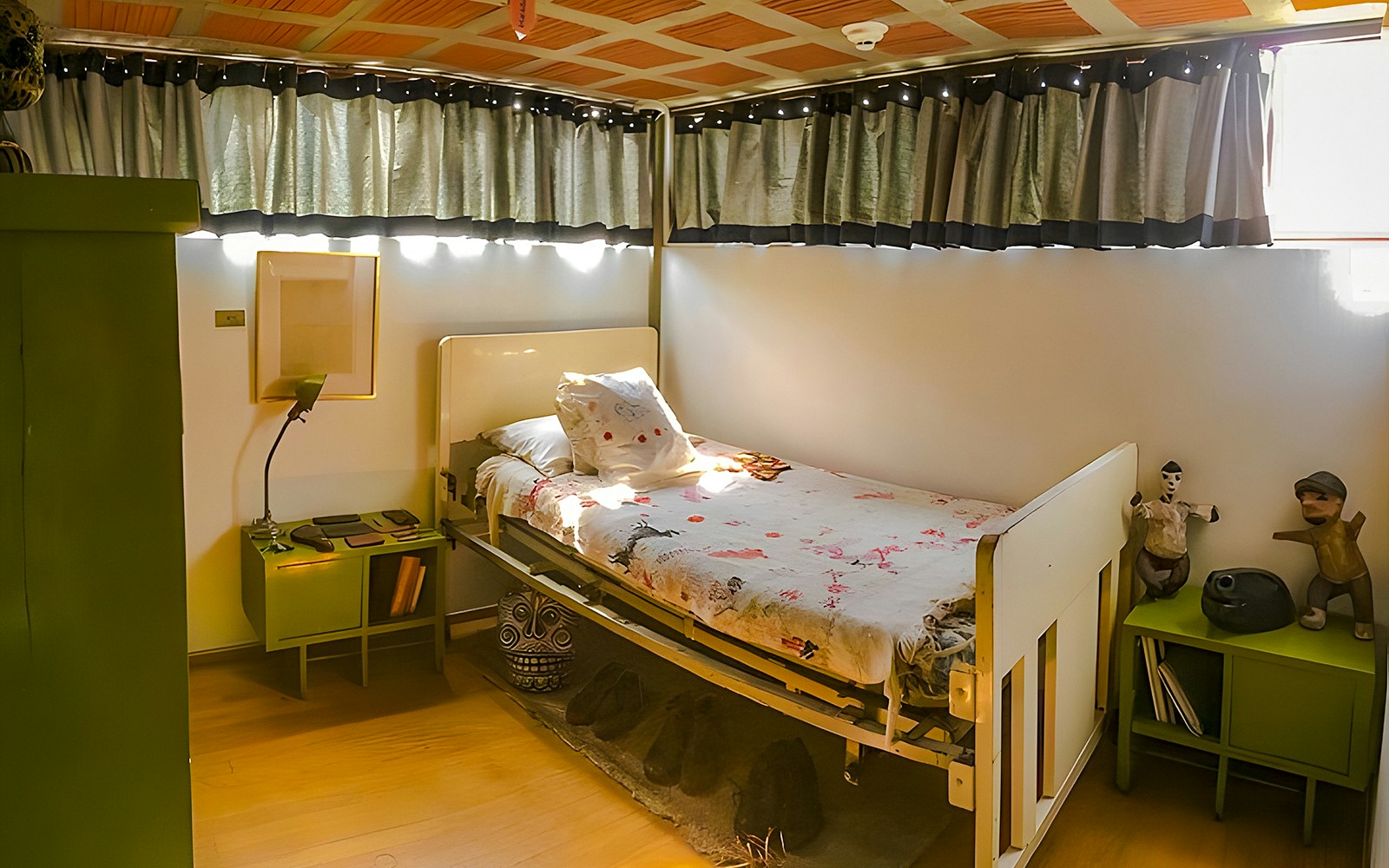
Bedroom of Diego Rivera at Museo Casa Estudio Diego Rivera y Frida Kahlo, Mexico City.
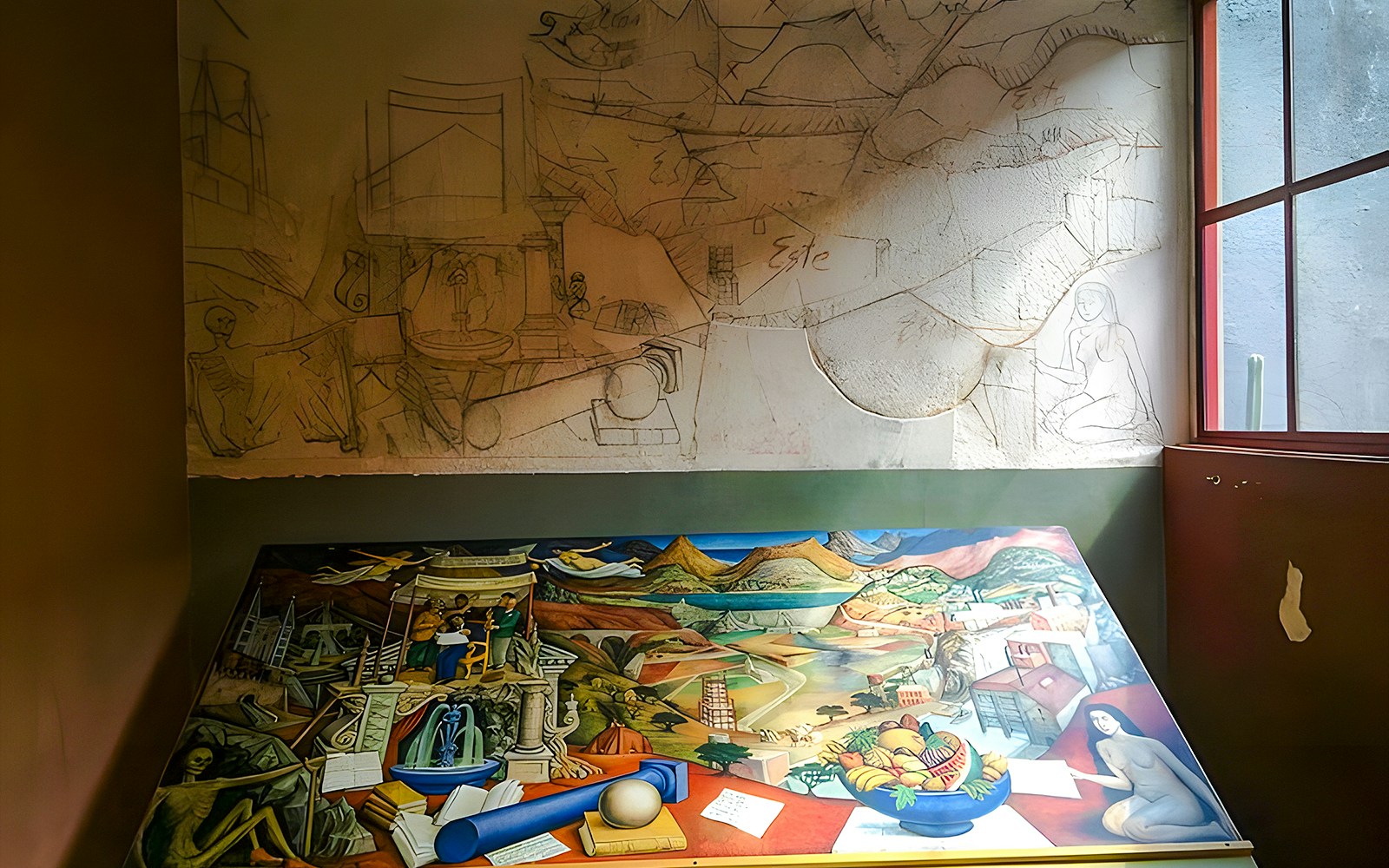
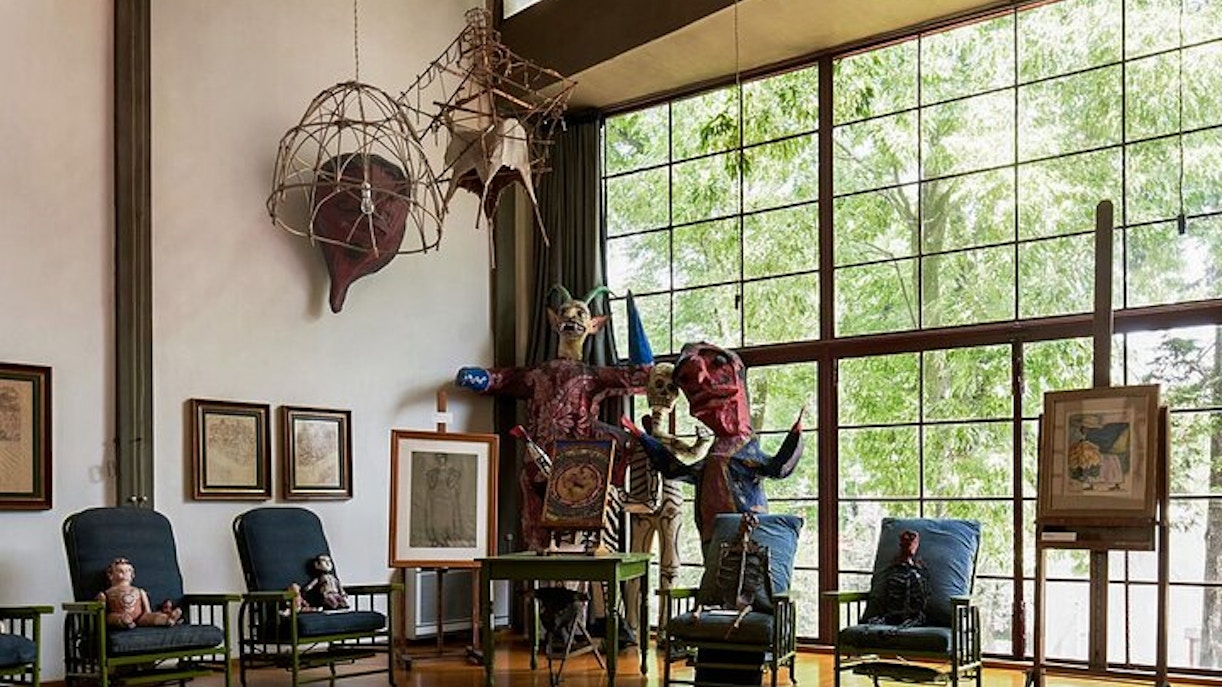
Preparatory sketch and mural "Entre la Filosofía y la Ciencia" by Juan O'Gorman at Museo Casa Estudio, Mexico City.
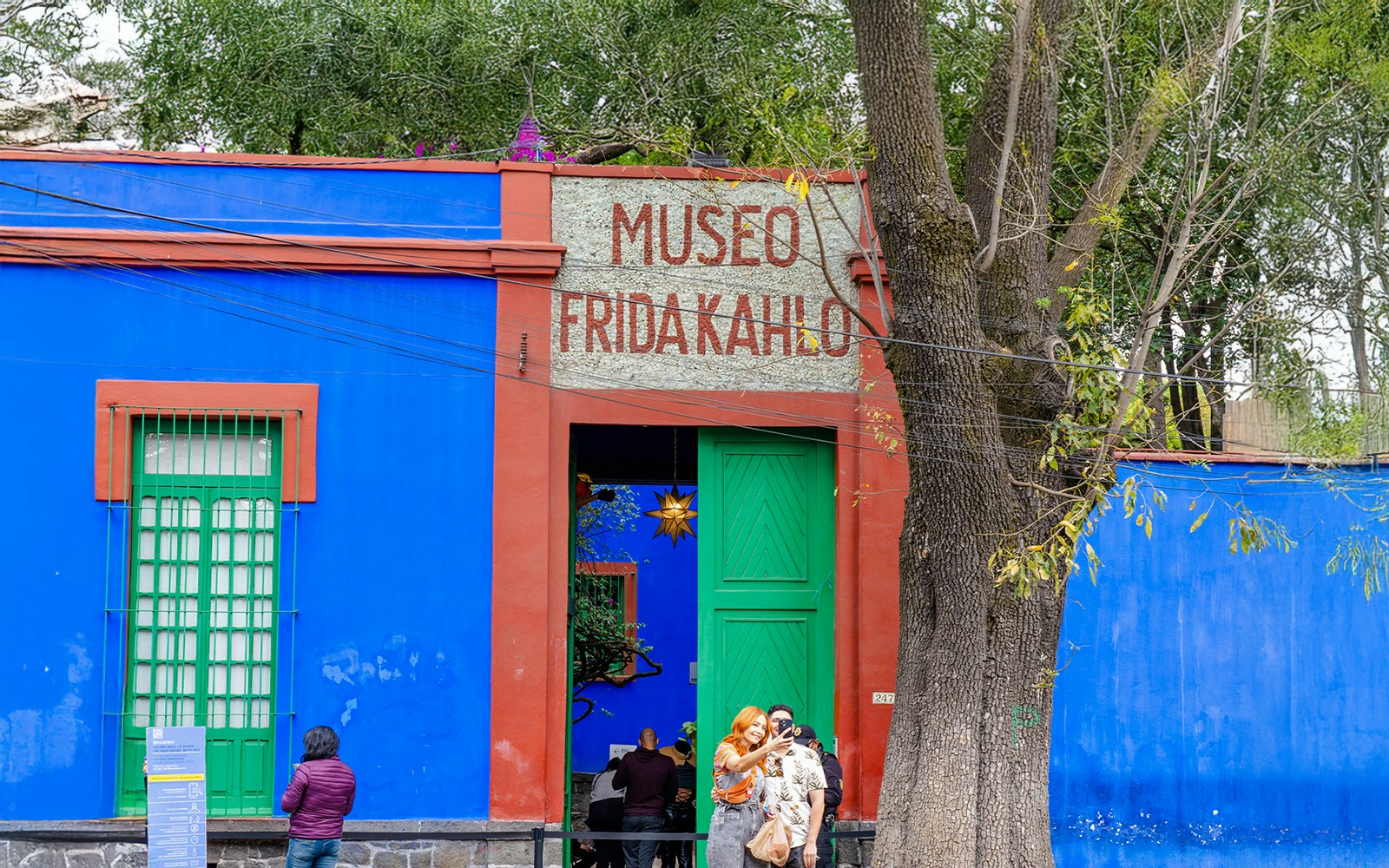
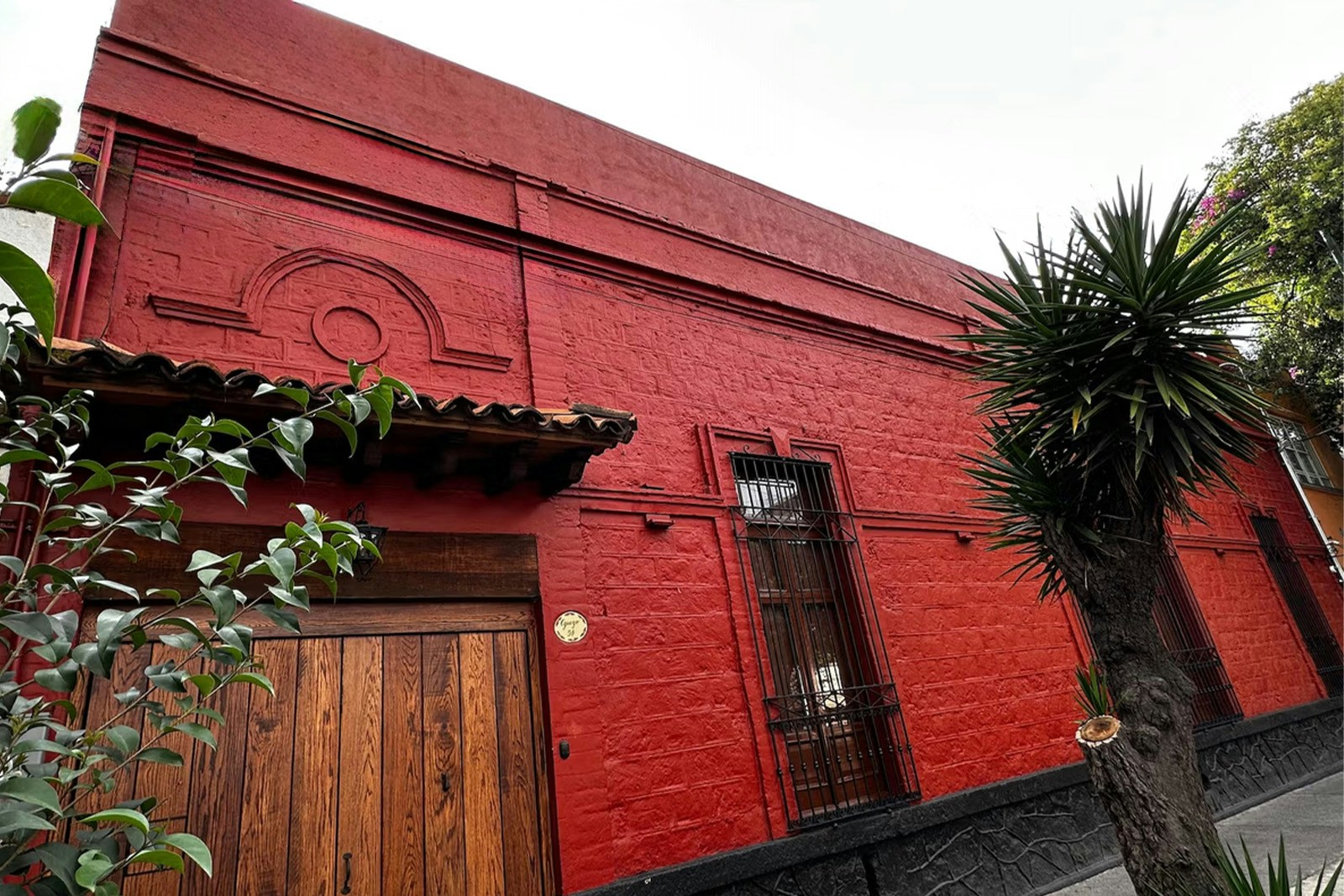
Frida Kahlo Museum entrance with visitors in Coyoacán, Mexico City.
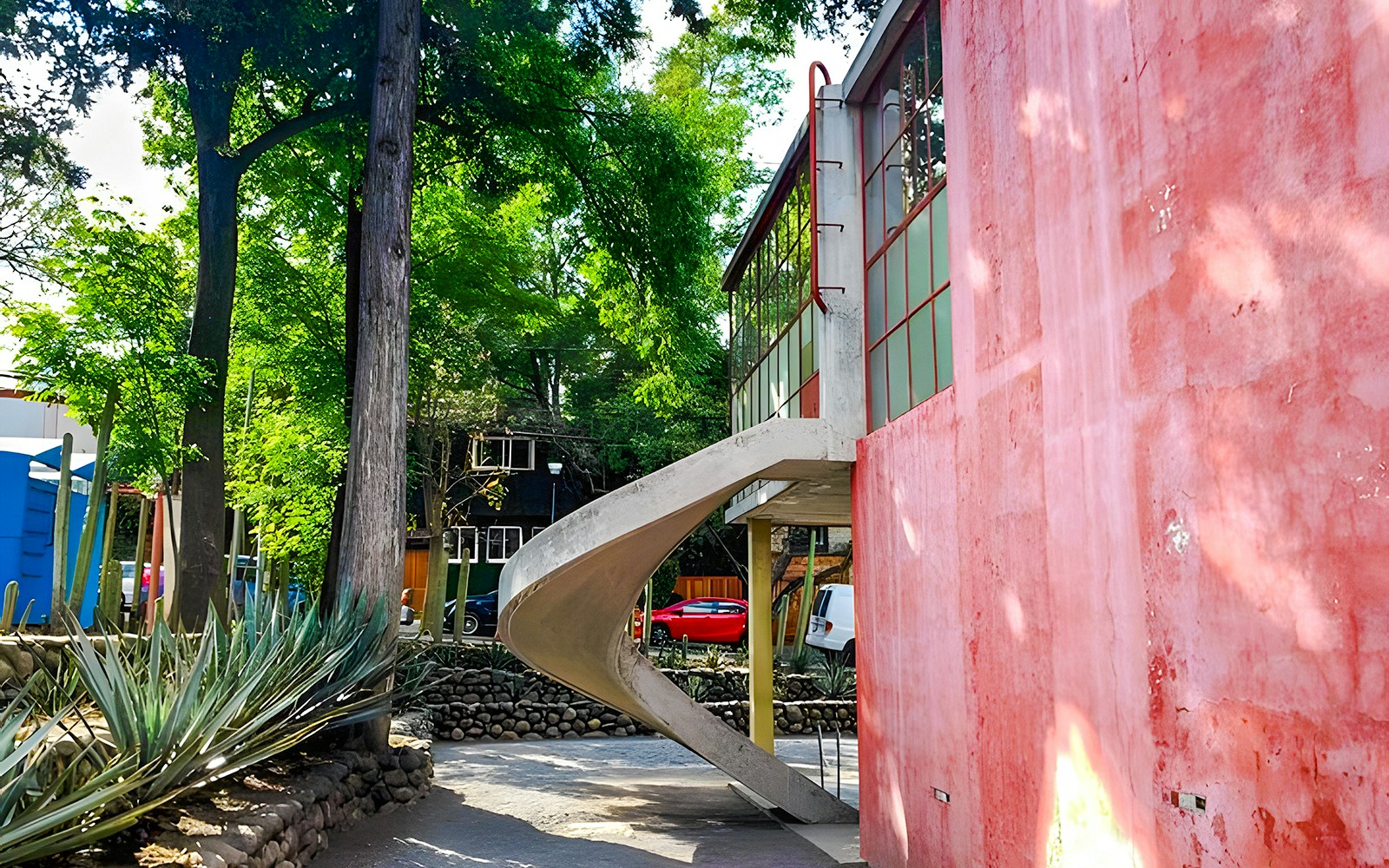
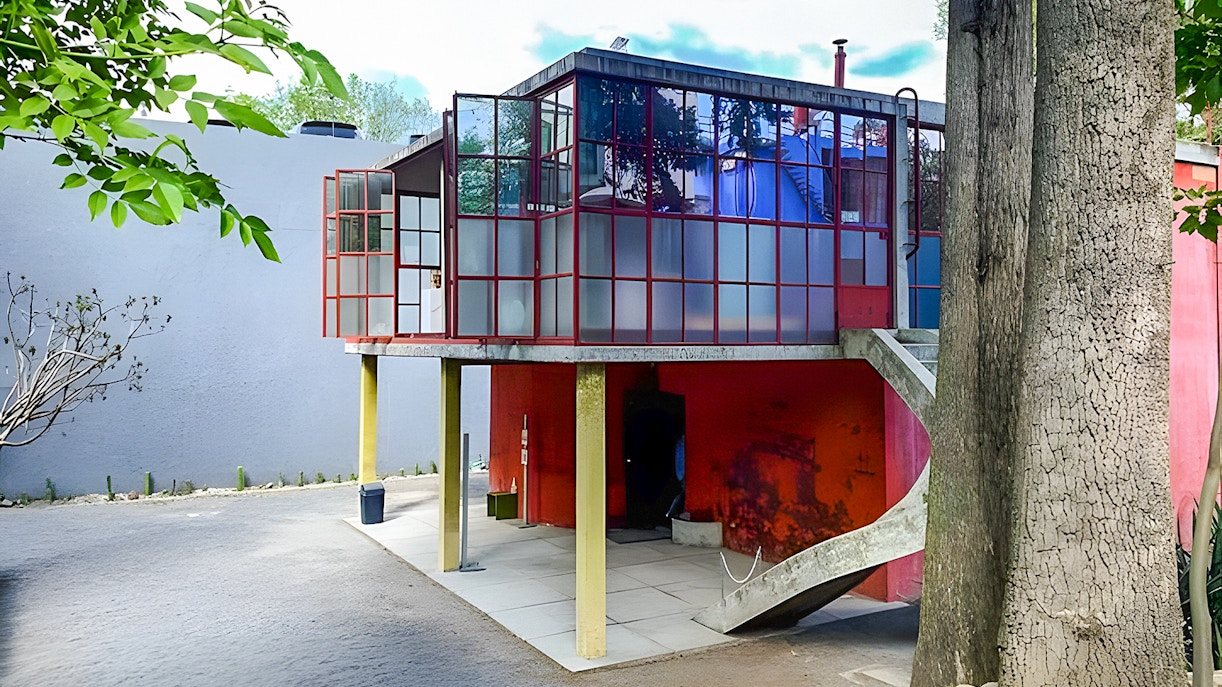
Curved staircase at Museo Casa Estudio Diego Rivera y Frida Kahlo, Mexico City.
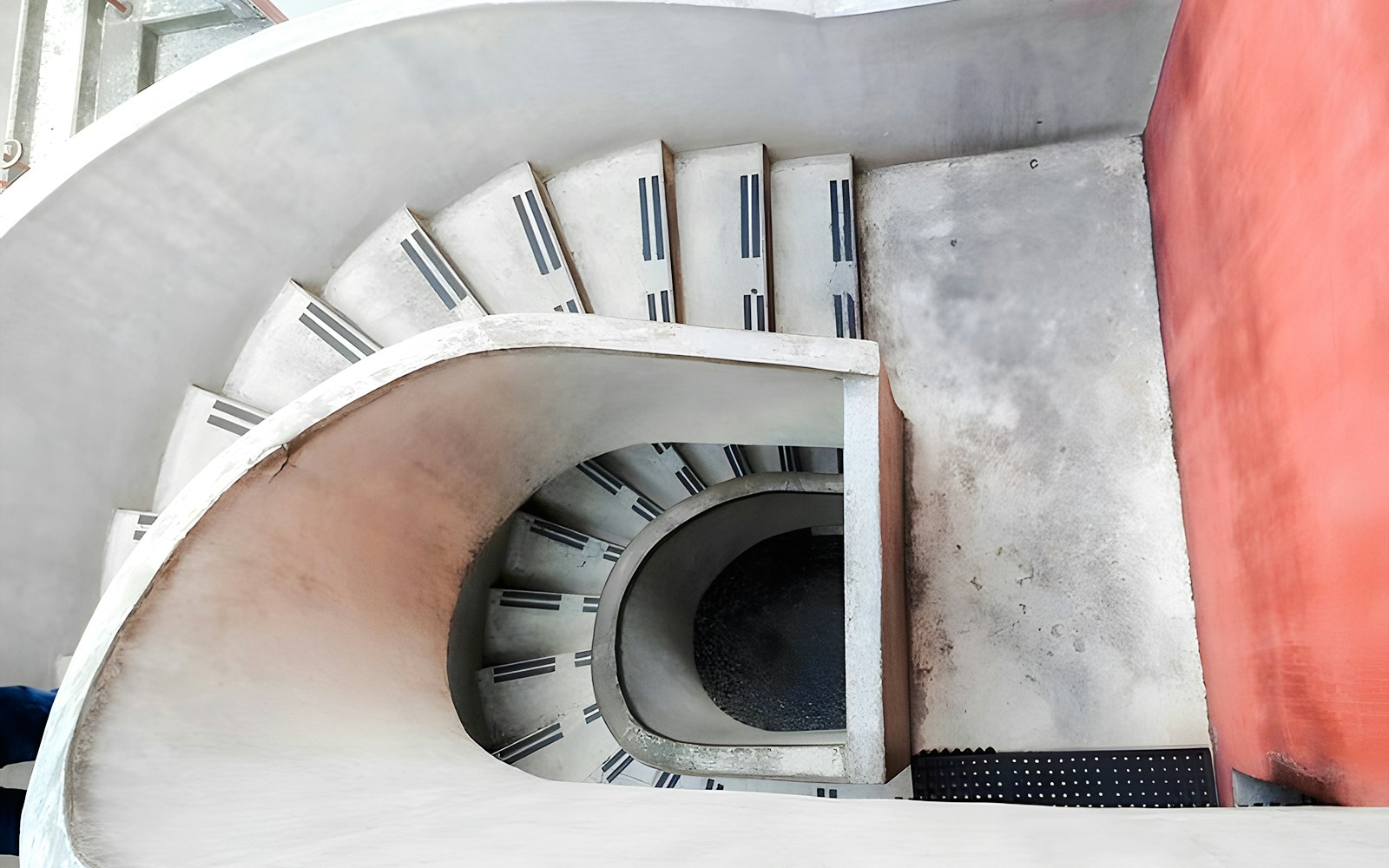
Spiral staircase at Museo Casa Estudio Diego Rivera y Frida Kahlo, Mexico City.
1/5

Immersive storytelling that brings her inner world alive

Instead of looking at paintings on a wall, you step inside rooms that recreate the emotions behind them. Light, sound, and movement tell her story in a way that feels personal and layered.

Fridalization that turns you into part of her narrative

A dedicated AI booth reimagines your features as Frida Kahlo. It feels playful on the outside but thoughtful at its core because it shows how she used identity as self-expression and resistance.

A VR journey built around her struggles and symbols

The VR experience is inspired by her diaries and recurring motifs. You walk through dreamlike scenes shaped by her physical pain, love, and political beliefs. It is the most emotionally charged part of the visit.

Book your Frida Kahlo museum tickets

Life-sized projections that explain her emotions visually

The projection rooms wrap around you with full-scale moving imagery that recreates her inner battles. The colors shift with her mood, and the pacing reflects her life from childhood to the final years.

A fashion and identity gallery rooted in historical accuracy

You see the clothes she chose intentionally. The Tehuana dress, the corsets, and the jewelry appear as recreations that explain how her style helped her reclaim power after her accident and surgeries.

Your Frida Kahlo: The Immersive Biography ticket option explained

Know before you go

Highlights of Museo Casa Kahlo

Placeholder Image Headout Blimp
1/5

Frida’s earliest creations

Her first oil painting and her childhood embroidery show the beginning of her artistic instincts. These pieces are priceless because they predate her accident, her marriage and her fame.

The newly discovered mural

This mural is believed to be the only wall painting Frida ever created. It is subtle, almost hidden, and many visitors walk past it. It represents the earliest evidence of how she saw color and shape.

Guillermo Kahlo’s presence

Cameras, glass plates, retouching tools and studio items reveal how much Frida absorbed from her father. Her precision with portrait composition started here.

Cristina’s Room

The emotional core of the house. Cristina Kahlo raised her children here and kept the home within the family for generations. Today, her granddaughter Mara Romeo Kahlo curates the museum.

Objects never displayed before 2025

Dolls, letters, clothing, school photographs, and tiny personal relics that never left family closets until this museum opened.

Tips for visiting Museo Casa Kahlo (Casa Roja)

These are the tips that only researchers, locals and people who’ve walked these streets for years know.

1. Ask your guide to show you the mural first

Most visitors walk right past the mural because it blends into the room. If you see it early, the rest of the museum hits differently. The mural has soft earth tones and almost disappears into the plaster, which is why your eyes skip over it after you’ve seen brighter rooms. Seeing it first helps you understand how raw and experimental young Frida was.

2. Buy water in Coyoacán before entering the museum

There is no water sold inside Casa Roja, and the residential street it sits on has no quick shops. Locals always grab water from the small Oxxo or the market area near Plaza Hidalgo before heading toward Aguayo. Once you’re inside the museum zone, you will not find a vendor without backtracking five to seven minutes.

3. Look for the small wooden chest in Cristina’s section

This chest belonged to Cristina Kahlo and holds tiny objects Frida gifted her through the years. Many visitors think it is part of room furniture and ignore it. If you look closely, you’ll see handwritten notes and miniature keepsakes that show how deep and complicated their sisterhood really was. It is one of the most emotional corners of the museum.

4. Stand near the windows in Guillermo Kahlo’s area

The natural light in this room is intentional. The family recreated the way Guillermo’s studio used sunlight for portraits, which helps you understand the way Frida later approached her self-portraits. If you stand in the same beam of light, you see exactly what Frida saw while watching her father develop photographs.

5. Visit the museum before Casa Azul for a smoother emotional arc

Casa Azul is intense and overwhelming. If you go to Casa Roja first, you enter Casa Azul already knowing the childhood wounds, the tenderness of her family, and the early influences that shaped her. Many visitors and even locals say Casa Azul feels more personal when Casa Roja comes first.

6. During the trajinera ride, sit on the left side if you love photography

The left side faces the chinampas and the reflections of the trees on the water. The right side tends to get more boat-to-boat interruptions. If you want clean shots with the least disturbance and soft lighting, left is the best seat. Most guides won’t tell you this unless you ask.

7. Take a photo of the doors, not the rooms

Casa Roja is strict with photography indoors. But you can photograph door frames and corridor angles that are identical to how the house looked in Guillermo’s old photos. These architectural angles actually give more historical context than a selfie could. Locals and researchers often photograph these as reference points for how the house evolved over generations.

Frequently Asked Questions

No. Casa Azul is Frida’s adult home and studio. Casa Roja is her childhood home and focuses on her early life.